
How Should a Traffic Impact Analysis in Florida Test Project Phasing and Future Growth?

Master-planned communities, campuses, healthcare facilities, and mixed-use developments often build out over several years. Early phases may include fewer homes, limited commercial space, temporary access, and incomplete internal roads. Later phases may add new uses, parking demand, entrances, and different peak-hour traffic patterns. A traffic impact analysis in Florida should therefore evaluate how each phase will operate when it opens—not only the project’s final buildout. A phased study should consider land uses, access points, parking, background traffic growth, approved developments, committed roadway projects, analysis years, improvement timing, and measurable monitoring triggers. MAPS can help align these transportation assumptions with the actual development schedule. Why Full Buildout Alone Is Not Enough Full buildout shows the project’s ultimate transportation effects, but it may not reveal early operational problems. A first phase could generate fewer trips while operating with one driveway, temporary parking, limited queue storage, or incomplete pedestrian connections. Conversely, later phases may generate more traffic but distribute it across a better-connected network. For example, a development may initially open residential units with one temporary entrance. A later phase may add retail, structured parking, and a permanent secondary access point. Testing only the final condition could overlook whether early residents have safe access, sufficient parking, and acceptable queues. Establishing Existing and Future Conditions The analysis should begin with existing traffic volumes, roadway operations, access patterns, pedestrian facilities, and known deficiencies. This baseline distinguishes current conditions from project-related impacts. The study should then add background traffic growth, approved but unbuilt developments when appropriate, and roadway improvements considered committed under the applicable review process. Future traffic represents the project operating within a changing transportation network, not project trips alone. Evaluate Each Phase as an Operating Condition Each phase should identify the uses that will open, available driveways, parking supply, internal circulation, delivery routes, pedestrian connections, and any construction-related effects. A phase should not be treated merely as a percentage of full buildout. This approach allows the study to determine whether phase one functions independently, whether an intermediate phase changes traffic patterns, and whether full buildout requires different access, parking, or roadway improvements. Match Analysis Years to Development Timing A phase’s opening year may differ significantly from the full-buildout year. Even if the first phase generates fewer trips, it may open after several years of background growth or nearby development. A credible study should document each phase’s assumed opening year, development intensity, surrounding network, and included transportation projects. If these assumptions change, the analysis may need to be updated. Tie Access and Improvements to Documented Need Temporary and permanent access should be evaluated when each is expected to operate. A future connection cannot resolve an early access problem, and a temporary driveway may become inadequate when later phases increase traffic, parking demand, or pick-up activity. Improvements may be required before a phase opens, at a defined occupancy level, or after monitoring confirms a specific condition. Phasing should align improvements with demonstrated need, not postpone necessary safety or operational measures. Use Specific Monitoring Triggers Monitoring may be appropriate when travel behavior, project timing, land-use mix, or an external roadway project remains uncertain. Triggers should specify what will be measured, when data will be collected, who will review it, and what action will follow. For example, a retail phase might require queue monitoring after a parking entrance reaches a defined demand level. Monitoring should supplement analysis, not replace it. How MAPS Supports Phased Development Planning MAPS combines traffic engineering, parking planning, and mobility strategy. This integrated approach helps evaluate how access, parking, queues, deliveries, pedestrian routes, and roadway improvements interact across phases. It also helps project teams preserve flexibility and avoid applying a full-buildout solution before the evidence supports it. Conclusion A phased development should be tested under the conditions expected at each meaningful stage. Existing traffic, future growth, access timing, parking demand, queues, committed projects, and improvement triggers all influence the appropriate analysis. A well-scoped traffic impact analysis in Florida helps ensure that each phase is safe, functional, and supported by defensible transportation assumptions. FAQs 1. What is the buildout year in a traffic impact analysis? The buildout year is the future year when the analyzed development program is assumed to be complete and operating. Phased projects may also require interim analysis years to evaluate conditions before full buildout. 2. How are phased developments evaluated in a traffic study? Each phase is evaluated based on its active uses, trip generation, access, parking, circulation, background traffic, nearby development, and available roadway improvements. The objective is to identify when access changes, parking adjustments, roadway improvements, or monitoring are justified by the evidence.
Traffic Impact Analysis in Florida How It Supports Smarter Transportation Planning

A new development can bring progress to a community, but it can also change how people travel every day. More vehicles, busier intersections, and shifting traffic patterns can affect how smoothly people move through an area. Before these changes happen, planners need to understand how a project may interact with the existing transportation system. This is where traffic impact analysis in Florida becomes valuable. It is a study that reviews how a proposed development may affect nearby roads, intersections, and traffic conditions. By looking at current traffic patterns and possible future changes, this process helps planners make informed decisions. It supports better transportation planning and helps communities prepare for growth in a more organized way. What Is a Traffic Impact Analysis and Why Does It Matter? A traffic impact analysis examines the relationship between a new development and the transportation network around it. It studies how changes in vehicle movement may affect roads, intersections, and travel conditions. This type of analysis is needed because every project can influence the way people move through an area. Understanding these effects early helps planners review possible concerns before they become larger transportation challenges. Through proper evaluation, project teams can better understand existing conditions and consider how a development fits within the surrounding area. This creates a stronger foundation for transportation decisions. How Does Traffic Impact Analysis in Florida Help Plan Future Transportation Needs? Communities continue to grow, and transportation systems must adapt to changing demands. A careful review of traffic conditions helps identify how roads may perform when new activity is introduced. With traffic impact analysis in Florida, professionals study factors such as traffic flow, roadway conditions, and intersection operations. MAPS provides services including traffic data collection and analysis, turn lane analysis, and safety analysis to support transportation planning. For example, a development near a busy roadway may require a closer review of traffic movement. Studying these conditions early allows planners to understand possible impacts and make better decisions for the surrounding network. Reviewing Traffic Conditions Before Projects Move Forward Good transportation planning begins before problems appear. Early reviews give planners a clearer understanding of what a project may require from nearby roads and intersections. MAPS uses services such as traffic simulation to study different traffic situations and review how transportation systems may respond to changes. This helps professionals examine possible conditions before decisions are finalized. Other services, including maintenance of traffic (MOT) plans and transportation management plans, support organized traffic planning during project activities. These reviews help maintain better movement throughout different stages of development. Connecting Traffic Planning With Better Mobility Transportation is not only about vehicles. It also involves how people move through communities and how different systems connect with each other. A traffic impact analysis in Florida supports this broader view by showing how a project may affect nearby transportation patterns. When combined with mobility planning, it helps create a clearer understanding of movement within an area. MAPS provides mobility planning services such as complete streets design, curb lane management, transportation demand management plans, mobility studies, and mobility data collection and analysis. These services help review different transportation needs from multiple angles. Why Professional Planning Support Makes a Difference? Each project has its own transportation considerations. A detailed review helps identify important factors that may affect roads, traffic movement, and future planning needs. MAPS provides traffic engineering, parking planning, and mobility planning services to support projects with transportation studies and planning requirements. Its services include traffic impact analysis, traffic simulation, parking studies, and mobility reviews. Starting with the right planning approach helps teams understand transportation needs early and make decisions based on clear information. Conclusion Understanding transportation needs before development begins helps communities prepare for future changes. By reviewing traffic conditions, roadway performance, and mobility patterns, planners can make more informed decisions. Careful planning supports better movement and helps create transportation systems that serve growing communities. FAQs Q. What is the purpose of a traffic impact analysis? A traffic impact analysis reviews how a proposed project may affect nearby roads, intersections, and transportation systems. It helps planners understand possible changes linked to development. Q. Why do developers need traffic studies before starting a project? Traffic studies help review how a project may influence existing transportation conditions. They provide information that supports better planning before development begins. Q. What services are included in traffic engineering planning? Traffic engineering services may include traffic data collection and analysis, traffic simulation, safety analysis, turn lane analysis, and traffic calming plans.
Why Developers Need a Traffic Study in Florida Before Starting New Projects
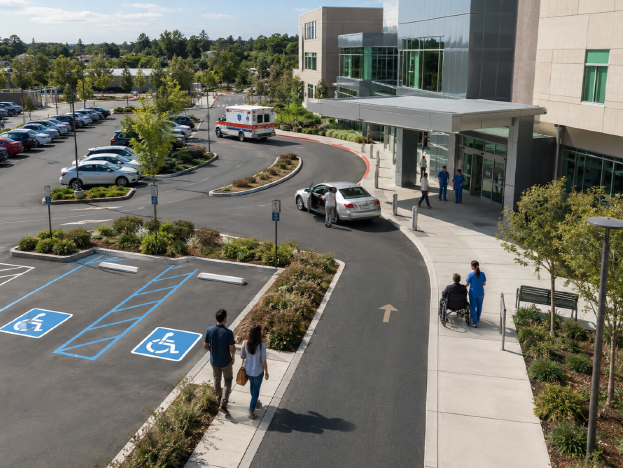
Planning a new development in Florida is rarely just about architectural design or construction timelines. Before the first shovel hits the ground, developers must understand how their project will affect surrounding roads, parking availability, and transportation flow. In fact, many approvals depend on proper analysis, which is why a traffic study in Florida—often conducted alongside guidance from a parking planning and study consultant—is a critical step developers cannot afford to skip when preparing a new project. Understanding the Role of Traffic Studies in Development Developing residential communities, commercial centers, hospitals, or educational facilities naturally brings increased vehicle activity. More people visiting or living in a property means more cars on nearby streets and intersections. Without proper analysis, this can quickly lead to congestion, safety concerns, and infrastructure strain. A traffic study in Florida helps developers understand the current traffic conditions and predict how a new project will affect the surrounding road network. These studies analyze vehicle counts, traffic flow patterns, intersection capacity, and peak-hour congestion. At MAPS Engineering, we conduct detailed traffic evaluations that help developers anticipate these impacts before construction begins. This proactive approach ensures projects move forward smoothly while protecting the safety and efficiency of local transportation systems. Why Local Regulations Require Traffic Studies Across Florida, municipalities and planning departments require developers to submit transportation analyses during zoning approvals and permitting stages. These requirements exist because local governments must ensure that new developments do not overload existing infrastructure. A traffic study in Florida provides city planners with the data they need to evaluate whether nearby roads can handle additional traffic. The study may also identify improvements required for approval, such as turn lanes, signal timing adjustments, or roadway modifications. Our team at MAPS Engineering works closely with developers and municipalities to prepare these studies so projects comply with regulatory requirements while minimizing delays in the approval process. The Connection Between Traffic Studies and Parking Planning Traffic flow and parking demand are closely connected. When a new development opens, visitors and employees need adequate parking space, and insufficient planning can lead to congestion around the property. That’s why many developers rely on a parking planning and study consultant to evaluate parking demand alongside traffic conditions. Parking demand studies analyze how many spaces a development truly needs based on land use, visitor behavior, and local regulations. At MAPS Engineering, we integrate parking planning into our transportation analysis to provide developers with practical recommendations. Our parking studies help clients optimize space, implement shared parking solutions, and design layouts that improve both convenience and efficiency. Improving Safety Through Data-Driven Traffic Analysis One of the most important reasons developers conduct traffic studies is road safety. When traffic patterns change due to new construction, nearby intersections can experience increased accident risks or congestion. A traffic study in Florida identifies potential safety concerns early in the planning process. Our engineers analyze traffic speeds, turning movements, signal timing, and roadway design to determine where improvements may be needed. For example, traffic studies may recommend additional turning lanes, signal modifications, or traffic calming strategies. These improvements help ensure that new developments integrate safely with surrounding transportation networks. Supporting Efficient Project Approvals Delays during permitting and zoning approvals can significantly increase development costs. Traffic analysis helps developers avoid these setbacks by identifying transportation challenges before they become regulatory obstacles. When developers partner with MAPS Engineering, we provide comprehensive transportation analysis that aligns with local planning standards across Florida. Our experience working with municipalities allows us to prepare studies that meet approval requirements and streamline the review process. Working with a professional parking planning and study consultant ensures that both traffic and parking considerations are addressed together. This integrated approach often makes development proposals stronger and more likely to receive approval. Sustainable Mobility Planning for Modern Developments Transportation planning today goes beyond vehicle traffic alone. Cities across Florida are increasingly focused on sustainable mobility, including public transportation, pedestrian access, and cycling infrastructure. A traffic study in Florida can also evaluate how developments interact with these alternative transportation options. At MAPS Engineering, our mobility planning services help clients design projects that support multimodal transportation. Our approach may include transit-oriented development strategies, curb lane management planning, or transportation demand management programs. These solutions improve mobility while reducing congestion and environmental impact. Customized Solutions for Different Types of Projects Every development has unique transportation needs. Residential communities generate different traffic patterns than hospitals or retail centers. Educational campuses require careful planning for student arrivals and parking availability. As an experienced parking planning and study consultant, we provide tailored analysis for a wide range of projects, including residential developments, commercial centers, educational institutions, healthcare facilities, and municipal infrastructure. By understanding the specific transportation demands of each project, we create solutions that balance traffic efficiency, parking availability, and long-term mobility planning. Frequently Asked Questions About Traffic Studies and Development Planning 1. What is a traffic study in Florida? A traffic study in Florida analyzes current traffic conditions and predicts how a proposed development will impact nearby roads and intersections. These studies use data collection and modeling techniques to evaluate traffic flow, congestion, and infrastructure capacity. 2. What is a traffic impact analysis? A traffic impact analysis is a detailed evaluation that examines how new development will affect surrounding traffic patterns. It identifies potential problems and recommends improvements such as signal timing changes, additional lanes, or intersection upgrades. 3. When is a traffic study required for development projects? Traffic studies are typically required during zoning approvals or permitting processes for residential, commercial, or mixed-use developments. Municipalities use these studies to determine whether transportation infrastructure can support the proposed project. 4. How do traffic studies improve road safety? Traffic studies identify congestion points, accident risks, and areas where roadway improvements are necessary. Recommendations may include turn-lane additions, signal modifications, speed adjustments, or traffic-calming measures to enhance safety. Conclusion Successful development in Florida requires more than strong design and construction expertise. Understanding how a project will influence traffic flow, parking demand, and overall mobility is essential for obtaining approvals and ensuring long-term success.
Traffic Study in Florida: What Makes Roads Safer Today

Urban growth often brings both opportunity and complexity. As communities expand, traffic patterns begin to shift in subtle and visible ways. Understanding these changes is essential to maintaining safe, smooth roadways. A well-planned traffic study in Florida helps identify how vehicles, pedestrians, and infrastructure interact over time, offering valuable insights for better planning. Let’s explore how thoughtful traffic analysis shapes everyday travel. Why Traffic Studies Matter for Growing Communities As neighborhoods evolve, roads carry more than they were originally designed for. Increased vehicle flow, new developments, and changing commuting habits can create congestion and safety concerns. Traffic studies provide a clear picture of these patterns. They evaluate vehicle counts, peak travel times, and intersection performance. With this information, planners can recommend improvements such as signal adjustments, lane expansions, or safer pedestrian crossings. Instead of reacting to problems after they occur, traffic studies allow for a more proactive approach. This creates a smoother driving experience and supports long-term infrastructure planning. How Data Turns Into Practical Road Solutions Collecting traffic data is only the beginning. The real value lies in how that data is interpreted and applied. Engineers review patterns, identify bottlenecks, and assess safety risks. For example, if a specific intersection experiences frequent delays, adjustments such as signal timing or turn-lane additions may be recommended. In areas with growing residential or commercial activity, studies help ensure roads can handle future demand. A skilled traffic engineer in Florida plays an important role in translating complex data into practical solutions. Their expertise helps balance safety, efficiency, and environmental considerations while keeping road users in mind. Supporting Development Without Disruptions New developments bring excitement but also affect nearby roads. Whether it’s a shopping center, residential complex, or office space, traffic flow needs careful evaluation before construction begins. Traffic studies assess how a project will influence surrounding areas. This includes entry and exit points, parking access, and nearby intersections. By addressing these factors early, developers can reduce congestion and improve accessibility. This process also helps local authorities make informed decisions about approvals and necessary infrastructure upgrades. It creates a more coordinated approach between development and transportation planning. Improving Safety for Every Road User Road safety goes beyond vehicles. Pedestrians, cyclists, and public transport users all share the same space. Traffic studies consider these groups to create balanced solutions. Measures such as crosswalk placement, signage improvements, and speed management can significantly reduce risks. In school zones or busy urban areas, these adjustments are especially important. By focusing on safety, traffic studies help create a more comfortable, predictable travel experience for everyone. The Role of Technology in Traffic Analysis Modern tools have transformed how traffic studies are conducted. Advanced software, sensors, and simulation models provide accurate and detailed insights. These technologies enable scenario testing, allowing planners to predict how changes will affect traffic before implementation. This reduces uncertainty and supports better decision-making. With precise data and modeling, road improvements become more efficient and aligned with real-world needs. Building Roads That Adapt Over Time Traffic patterns are never static. Seasonal changes, population growth, and new infrastructure continuously reshape how roads are used. Regular evaluations help ensure that transportation systems remain effective. Adjustments can be made as conditions evolve, keeping roads functional and safe. A consistent approach to traffic analysis supports long-term planning while addressing immediate concerns. Ready to Improve Traffic Flow in Your Area Understanding how roads function is the first step toward meaningful improvements. Whether planning a new project or addressing existing challenges, professional guidance can make the process smoother. If you’re considering a project or need insights into road performance, connecting with experienced professionals can help you move forward with clarity. Reach out today to explore how thoughtful planning can support safer, more efficient travel. Frequently Asked Questions 1. What is included in a traffic study? A traffic study typically includes vehicle counts, intersection analysis, safety assessments, and recommendations for improvements. 2. When is a traffic study required? It is often required for new developments, road modifications, or when traffic issues are identified in a specific area. 3. How long does a traffic study take? The timeline varies depending on project size and complexity, but most studies take a few weeks to complete.
Why Do You Need a Traffic Study in Florida Before Starting a Project?

When I think about successful projects, whether they are commercial spaces, community developments, or institutional sites, I always come back to one simple truth. Planning ahead makes everything smoother. One of the most important steps I have seen in early planning is understanding how people and vehicles will move in and out of a site. That is where a traffic study becomes so important. It is not just a technical report. It is a practical guide that helps decision makers understand real movement, real demand, and real challenges before construction begins. And as I often remind teams I work with, what you plan early can save you from major problems later, and this sets the stage for everything that follows. Understanding how a site connects to the road network In my experience, many project delays happen because the traffic impact is not fully understood at the start. A traffic study helps break that uncertainty. It looks at how new development will interact with nearby roads, intersections, and existing traffic flow. A traffic study is especially important because many areas have growing populations, busy commercial zones, and changing transportation needs. I have seen situations where a project looked perfect on paper, but once traffic patterns were analyzed, adjustments were needed to improve access and safety. This step helps prevent surprises during approval processes and supports better design decisions, and this naturally leads to deeper planning considerations. Why must safety and efficiency come first? Whenever I review development plans, I always ask one question. Will this design work safely during peak hours? Safety and efficiency are not optional. They are essential. A traffic study helps identify possible congestion points, unsafe turning movements, and areas where vehicles and pedestrians may conflict. It also supports better design solutions like improved entry points, signal adjustments, or turning lane additions. I have seen how even small design changes, suggested early, can completely improve traffic flow later. This is not about adding complexity. It is about reducing it. When traffic behavior is understood clearly, projects move forward with fewer revisions and stronger approval confidence, and this brings us to the next important layer of planning. Supporting approvals and reducing project delays One of the biggest challenges I have seen teams face is regulatory approval delays. Many local authorities require a clear transportation analysis before giving project approvals. A traffic study in Florida provides the data needed to support those decisions. It shows how a development will affect surrounding infrastructure and how those impacts can be managed responsibly. I have noticed that when teams present clear traffic insights, discussions with reviewing agencies become more productive and focused. It also helps avoid redesign cycles that can slow down timelines. Instead of reacting to issues later, teams can proactively address concerns early. That kind of preparation always leads to smoother progress, and it naturally connects to long term planning value. Improving long term mobility and access planning Beyond approvals and safety, traffic studies also help shape long term mobility. I often encourage teams to think beyond just the opening day of a project. What happens five or ten years later? A traffic study in Florida helps answer that by forecasting future traffic demand and identifying how transportation patterns may evolve. It can guide parking needs, access routes, and even pedestrian flow design. I have seen how this forward thinking approach creates spaces that remain functional and efficient over time, instead of becoming outdated quickly. Good planning is not just about today. It is about building systems that continue to work as communities grow and change, and that brings everything together in a meaningful way. Conclusion From my experience working with planning and decision making processes, I have learned that transportation planning should never be treated as an afterthought. A well-prepared traffic study in Florida helps project teams understand impact, improve safety, support approvals, and plan for the future with confidence. It reduces guesswork and replaces it with clear direction. When I look at successful developments, they all share one common factor. They invest time in understanding how people move before they build. That simple step often makes the biggest difference in long term success, and it is why early traffic analysis should always be part of the foundation of any project. FAQs Q. Why is a traffic study required before starting development projects in Florida? It helps evaluate how new development will affect existing roads, intersections, and traffic flow, ensuring safer and more efficient planning decisions. Q. Who usually requests a traffic study for a project? Local government agencies, planning departments, or reviewing authorities typically request it before approving development plans. Q. What factors are analyzed in a traffic study? It usually includes traffic volume, peak hour flow, road capacity, turning movements, and access points. Q. How does a traffic study help with project approvals? It provides clear data that supports decision making and helps authorities understand the project’s impact on surrounding infrastructure. Q. Can a traffic study influence project design changes? Yes, it often leads to improvements in site access, parking layout, and traffic circulation to enhance safety and efficiency.
What Triggers a Traffic Impact Study in Miami Dade County?

A Traffic Impact Study is required when a proposed development generates enough new vehicle trips to materially affect roadway capacity, intersection performance, or site access safety during zoning or site plan review. Agencies require this analysis when projected peak-hour traffic reduces operational performance or creates conditions that may require mitigation. A study is most likely required when: • Peak-hour trips increase delay at nearby intersections. • Surrounding roadways already operate near capacity. • New or modified driveways affect major roads. • Turning movements justify dedicated lanes. • Traffic impacts extend beyond site frontage. Developers often recognize that traffic will increase but remain unsure whether formal analysis becomes mandatory. That uncertainty creates permitting risk. Through our traffic engineering services in Miami Dade County, we provide early evaluation of projected trips, intersection sensitivity, and access conditions before plans advance into full agency review. If you are unsure whether your project may trigger a study, we recommend conducting an early traffic evaluation through our Traffic Impact Study Services to clarify requirements before submission. When Is a Traffic Impact Study Required for My Development? Agencies evaluate projected trip generation together with existing roadway performance. A study becomes necessary when added traffic changes how surrounding intersections and corridors function during peak-demand periods. We frequently see that reviewers focus on operational impact rather than trip totals alone. Even moderate development may require analysis if nearby intersections already experience congestion. Corridor conditions and access configuration influence the decision as much as projected volumes. Trip Generation and Peak-Hour Evaluation Trip generation analysis forms the foundation of review. We calculate projected daily and peak-hour vehicle trips based on land use and development size. Peak-hour demand receives the greatest scrutiny because it reflects the time of highest roadway stress. If projected traffic degrades the level of service at key intersections, agencies require structured modeling and documentation. Through our traffic engineering services in Miami Dade County, we support this process with defensible capacity analysis aligned with review standards and detailed Traffic Signal Warrant Analysis when intersection conditions justify further evaluation. How Do Agencies Evaluate Intersection Performance? Projects located near signalized intersections require detailed operational review. We analyze turning movements, delay patterns, and queue formation to determine how additional traffic influences performance. When volumes approach conditions that justify signal evaluation, agencies may request formal review supported by our Traffic Signal Warrant Analysis. We also assess how traffic disperses across adjacent intersections to understand broader network effects and document those findings clearly. Access Design and Turn Lane Justification Access configuration frequently determines whether further study becomes necessary. Agencies evaluate driveway spacing, sight distance, and turning demand to protect roadway safety and efficiency. Further analysis often becomes necessary when: • Driveways are located near major intersections. • Left-turn or right-turn volumes increase substantially. • Access changes alter circulation patterns. • Site connections serve heavily traveled roadways. We perform Turn Lane Justification Studies and access management evaluations to address these operational concerns directly. What Does a Complete Traffic Impact Study Include? A professionally prepared study includes trip-generation analysis, intersection-capacity modeling, and level-of-service evaluation. When site conditions require it, the study may also include turn-lane justification, signal-warrant analysis, and access-management review. We prepare clear documentation that explains projected impacts and identifies whether mitigation measures may be necessary. Structured reporting supports informed agency review and defensible decision-making. Practical Developer Checklist Before submitting plans, confirm the following: • Peak-hour trip estimates reflect realistic conditions. • Nearby intersections operate within acceptable performance levels. • Access design supports safe turning movements. • Corridor impacts receive evaluation beyond frontage. • Potential signal or turn-lane needs have been assessed. Final Words Review principles remain consistent across jurisdictions, though sequencing may vary. Projects that require traffic engineering services in Pinellas County follow similar operational logic even when procedural emphasis differs. By understanding what triggers a Traffic Impact Study, we help developers plan proactively. Early evaluation, structured analysis, and clear documentation allow projects to move through review with greater confidence and fewer unexpected obstacles. FAQs 1. When is a Traffic Impact Study required for a development project? A Traffic Impact Study is required when a project generates enough new vehicle trips to affect nearby intersections, roadway capacity, or site access safety during review. Agencies look at peak hour traffic, congestion levels, and driveway impacts, not just total trip counts. Early evaluation helps prevent review delays. 2. Do small projects ever require a Traffic Impact Study? Yes. Even smaller projects may require a study if nearby intersections already operate near capacity or if access changes affect traffic flow. Agencies focus on operational impact during peak hours, not just project size. If traffic affects intersection performance, formal analysis may become necessary. 3. What usually triggers a Traffic Impact Study during zoning review? The most common triggers include increased peak hour delay, driveway modifications, turn lane demand, and impacts that extend beyond the site frontage. Agencies also review surrounding corridor performance. If projected traffic materially changes intersection operations, a structured study is required. 4. What does a complete Traffic Impact Study include? A complete study includes trip generation analysis, intersection capacity modeling, and level of service evaluation. When necessary, it may also include signal warrant analysis, turn lane justification, and access management review. Clear documentation explains impacts and supports agency decision making. 5. When should traffic engineering analysis begin for a new project? Traffic engineering analysis should begin early in project planning, before formal submission. Early evaluation clarifies whether a Traffic Impact Study is required and identifies potential operational issues. Starting early reduces uncertainty, minimizes revision cycles, and supports a smoother review process.
Why Traffic Impact Analysis in Florida Matters Before Starting a New Development

Before a new development moves from concept to construction, project teams are often focused on site design, budgets, approvals, timelines, and future operations. However, one factor can influence nearly every stage of the process: transportation. Whether the project is residential, commercial, healthcare, institutional, or mixed-use, understanding how people and vehicles will move through and around the site is critical. That is why traffic impact analysis in Florida has become an essential planning tool for developers, property owners, architects, planners, and project managers. Working alongside an experienced traffic engineering company in Florida can help identify transportation challenges early, support smarter design decisions, and reduce the risk of costly surprises later in the process. When a project team is balancing design objectives, agency requirements, and construction budgets, unexpected traffic concerns can quickly create delays. A well-prepared traffic impact analysis helps uncover potential issues before they become major obstacles. Instead of reacting to problems during the approval process, teams can proactively address them while there is still flexibility in the design. If you are planning a new development, now is the ideal time to understand how traffic, parking, site access, and mobility may affect your project. Early planning often leads to smoother reviews, better user experiences, and more informed project decisions. What Is a Traffic Impact Analysis in Florida? A traffic impact analysis in Florida is a professional study that evaluates how a proposed development may affect nearby roads, intersections, access points, and transportation networks. In practical terms, the study helps answer important questions: Rather than being just another report for regulatory purposes, a traffic impact analysis provides valuable information that helps project teams understand transportation conditions before construction begins. On many projects, traffic concerns are significantly easier and less expensive to address when they are identified during planning rather than after permits have been submitted or construction has started. Why Traffic Planning Should Start Before Development Moves Forward One of the biggest misconceptions in development planning is that traffic engineering only matters during permitting. In reality, transportation considerations can influence site design, parking layouts, access points, circulation patterns, and even project feasibility. For developers, this matters because traffic findings often affect decisions that become difficult to change later. Consider a mixed-use development that includes residential units, retail space, and office uses. Traffic patterns will vary throughout the day. Residents may leave during morning peak hours, office workers arrive shortly afterward, customers visit throughout the day, and delivery vehicles operate on separate schedules. Without understanding these movement patterns early, the site may experience congestion, inefficient circulation, or access challenges after opening. A traffic impact analysis helps project teams make informed decisions before those issues become costly operational problems. How Traffic Impact Analysis Supports Project Approval Development approvals often require agencies to understand how a proposed project will affect surrounding transportation infrastructure. A traffic study does not guarantee approval. However, it can support the review process by providing objective data, identifying potential concerns, and recommending practical solutions. For project teams, the benefits include: Because review requirements can vary by municipality, county, roadway conditions, and project type, transportation planning should never be approached with a one-size-fits-all mindset. The earlier transportation concerns are identified, the easier they typically are to address. What Traffic Concerns Can Be Identified Early? One of the greatest advantages of a traffic impact analysis is its ability to uncover issues before they create delays. Common concerns identified during studies include: Congested Intersections Additional traffic may place pressure on nearby intersections during peak periods. Early analysis can identify whether operational improvements may be needed. Site Access Challenges Poorly positioned driveways can affect both safety and convenience for future users. Turning Movement Conflicts Projects often create new traffic patterns that may affect turning movements, queue lengths, or vehicle interactions. Internal Circulation Problems Traffic flow inside the property matters just as much as traffic outside. Delivery vehicles, visitors, residents, employees, and service vehicles must move efficiently through the site. Pedestrian and Cyclist Safety Modern developments need to accommodate more than vehicles. Safe pedestrian connections and bicycle accessibility are increasingly important considerations. Parking and Traffic Interactions Traffic flow and parking demand often influence one another. Poor parking layouts can create circulation challenges that affect the entire site. A Real-World Example of Why Early Analysis Matters Imagine a healthcare facility preparing to expand its campus. The project team may initially focus on building placement, parking supply, and construction costs. However, a traffic analysis could reveal that patient arrivals, employee commuting patterns, emergency vehicle access, and visitor traffic create peak-hour conditions that were not originally anticipated. By identifying these issues early, the team can adjust site access, improve circulation, and evaluate transportation solutions before construction begins. The result is often a safer, more functional facility for patients, visitors, staff, and emergency responders. This is exactly why transportation planning should be viewed as a proactive decision-making tool rather than a last-minute requirement. Why Site Access, Safety, and Circulation Matter Many people think traffic engineering is simply about counting vehicles. In reality, the user experience is equally important. Think about: Each of these users experiences the site differently. Good traffic planning creates safer, more efficient movement for everyone using the development. Poor circulation, on the other hand, can lead to confusion, congestion, frustration, and safety concerns long after construction is complete. How Parking and Mobility Planning Connect to Traffic Impact Analysis One area often overlooked during development planning is the connection between traffic, parking, and mobility. Transportation does not begin and end at the property line. Parking availability, shared parking opportunities, curb lane management, pedestrian access, bicycle facilities, and public transportation options all influence how people move through a development. At MAPS Engineering, transportation planning is approached holistically. Rather than focusing only on vehicle traffic, the firm considers the broader mobility experience. This includes evaluating: This broader perspective often helps clients maximize existing infrastructure rather than immediately pursuing expensive expansions. Why Florida Development Teams Need Local Traffic Engineering Experience Transportation requirements can vary significantly throughout Florida. Local agencies may have
How an MOT Plan Can Mitigate Negative Outcomes Identified in a TIA

When a new development is proposed, one of the first steps is a Traffic Impact Analysis in Florida. This type of study helps determine how added traffic from a project could affect existing roadways, intersections, and travel patterns. At our firm, we provide these services with the goal of identifying and addressing issues early, so that projects can continue smoothly. Our traffic impact analysis services allow us to uncover potential challenges such as congestion, safety risks, and strain on multimodal systems for pedestrians, cyclists, and transit. Yet, a TIA should not be seen as the finish line. It acts more like a diagnostic tool, identifying what may go wrong. To correctly manage those risks, an effective Maintenance of Traffic (MOT) Plan plays an essential role in ensuring the findings from the TIA are addressed in practice. What the Numbers Reveal A TIA often highlights a range of possible concerns. These can include intersections that may become too congested, reductions in roadway performance during peak hours, or increased risks at conflict points such as crosswalks and merge zones. It may also reveal how pedestrian and bicycle access could suffer under heavier vehicle volumes. Access to businesses or residential driveways might become complicated, and construction phases themselves could add temporary disruptions that amplify the adverse outcomes. Without a strategy in place, these findings remain problems waiting to happen. That is where an MOT plan comes in, translating data into actionable solutions. The Role of the MOT Plan An MOT plan outlines how traffic will be safely managed during construction or transitional phases. It is about keeping people moving, keeping work zones safe, and minimizing disruptions. On our service list, MOT planning stands as a central element alongside traffic, parking, and mobility planning. An effective MOT plan can include temporary signage, barriers, or detours that redirect drivers safely. It may phase construction in such a way that not all lanes are closed at once. It can protect pedestrian and bicycle routes and even adjust traffic signals to account for altered conditions. By providing these tools, the plan becomes a safeguard against the risks highlighted in the TIA. Tackling Congestion Before It Grows One of the most significant issues a TIA often identifies is that demand may exceed capacity. Without mitigation, this can mean long queues and unstable traffic conditions. An MOT plan helps by staging traffic in phases, ensuring at least one lane remains open where possible. It may create alternate routes or detours to balance volumes and reduce bottlenecks. Temporary lane shifts and contraflow strategies can also be used during off-peak hours to maximize available capacity. When paired with signal adjustments, these steps can ease congestion and prevent traffic from reaching the critical levels forecast in the TIA. Safety First, Always Safety is another critical area where an MOT plan shows its value. A TIA might reveal potential risks for crashes or unsafe conditions during development, and those risks can worsen during construction. An MOT plan strengthens safety through clear signage, visible pavement markings, and lighting that makes altered routes easy to follow. Protective buffer zones separate workers from moving traffic, while dedicated pedestrian and cyclist routes ensure non-drivers remain protected. Reducing conflict points, such as temporary turn restrictions, also keeps intersections safer until permanent solutions are in place. More Than Cars on the Road Development is not only about cars. Pedestrians, cyclists, and transit riders are also part of the transportation picture. An MOT plan addresses the concerns raised in a TIA by maintaining temporary transit stops, creating alternate crossings, or providing ramps for accessibility where sidewalks are closed. This attention to every traveler ensures that mobility remains balanced and fair, even when disruptions are unavoidable. It helps preserve the vision of a connected, multimodal system while construction progresses. Keeping Doors Open During Construction Access is another area where challenges may surface. TIAs often flag driveways or site entrances as problem areas. Without planning, construction can make these issues worse. An MOT plan phases access carefully, scheduling which driveways remain open and providing clear signage to guide drivers. Temporary crossovers or turning lanes can allow safe entry and exit, while delivery schedules can be shifted to off-peak times to limit conflicts. This ensures businesses and residents maintain safe and practical access to their properties throughout the construction period. Building with Bigger Goals in Mind Traffic engineering is about more than vehicle flow. It is also about how projects fit into a wider mobility plan. An MOT Plan in Florida can support these broader goals by sequencing work so that sidewalks, transit routes, and bike lanes remain functional. Detours and alternate alignments are designed to keep the multimodal network intact. Monitoring traffic during construction allows for timely adjustments so that disruptions do not overwhelm the system. In this way, the MOT plan extends the TIA’s role, making sure that transportation goals remain consistent throughout development. Staying Agile When Things Change One reality of traffic planning is that conditions can change. A TIA provides modeled forecasts, but real-world traffic may shift in unexpected ways. An MOT plan is designed to adapt. It can adjust signal timings, reallocate signage, or change the phasing of construction based on monitoring results. This flexibility ensures that mitigation strategies continue working even when circumstances differ from projections. It is an ongoing process that responds to both safety needs and efficiency demands. From Analysis to Action A TIA plays a critical role in showing where challenges could occur under new development. But identifying those challenges is only half of the equation. An MOT plan is what turns analysis into action, ensuring that risks are managed, and mobility is maintained during construction. By carefully phasing work, protecting travelers, keeping access open, and adapting as conditions evolve, an MOT plan reduces the adverse outcomes identified in a TIA. As one transportation planner wisely said, “A plan is not only about reaching the destination; it is about ensuring the journey remains safe