
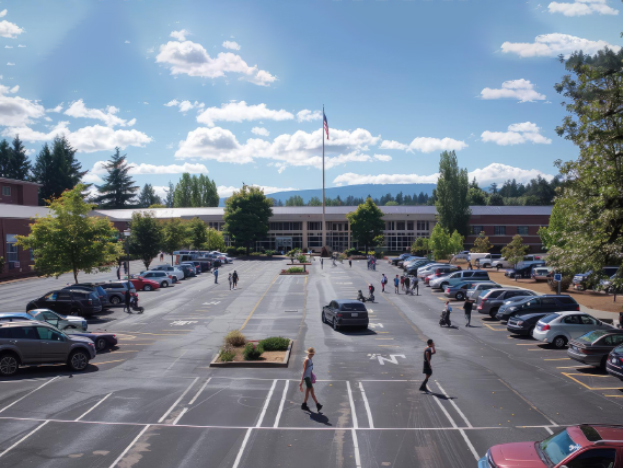
Urban growth often brings both opportunity and complexity. As communities expand, traffic patterns begin to shift in subtle and visible ways. Understanding these changes is essential to maintaining safe, smooth roadways. A well-planned traffic study in Florida helps identify how vehicles, pedestrians, and infrastructure interact over time, offering valuable insights for better planning.
Let’s explore how thoughtful traffic analysis shapes everyday travel.
Why Traffic Studies Matter for Growing Communities
As neighborhoods evolve, roads carry more than they were originally designed for. Increased vehicle flow, new developments, and changing commuting habits can create congestion and safety concerns.
Traffic studies provide a clear picture of these patterns. They evaluate vehicle counts, peak travel times, and intersection performance. With this information, planners can recommend improvements such as signal adjustments, lane expansions, or safer pedestrian crossings.
Instead of reacting to problems after they occur, traffic studies allow for a more proactive approach. This creates a smoother driving experience and supports long-term infrastructure planning.
How Data Turns Into Practical Road Solutions
Collecting traffic data is only the beginning. The real value lies in how that data is interpreted and applied. Engineers review patterns, identify bottlenecks, and assess safety risks.
For example, if a specific intersection experiences frequent delays, adjustments such as signal timing or turn-lane additions may be recommended. In areas with growing residential or commercial activity, studies help ensure roads can handle future demand.
A skilled traffic engineer in Florida plays an important role in translating complex data into practical solutions. Their expertise helps balance safety, efficiency, and environmental considerations while keeping road users in mind.
Supporting Development Without Disruptions
New developments bring excitement but also affect nearby roads. Whether it’s a shopping center, residential complex, or office space, traffic flow needs careful evaluation before construction begins.
Traffic studies assess how a project will influence surrounding areas. This includes entry and exit points, parking access, and nearby intersections. By addressing these factors early, developers can reduce congestion and improve accessibility.
This process also helps local authorities make informed decisions about approvals and necessary infrastructure upgrades. It creates a more coordinated approach between development and transportation planning.
Improving Safety for Every Road User
Road safety goes beyond vehicles. Pedestrians, cyclists, and public transport users all share the same space. Traffic studies consider these groups to create balanced solutions.
Measures such as crosswalk placement, signage improvements, and speed management can significantly reduce risks. In school zones or busy urban areas, these adjustments are especially important.
By focusing on safety, traffic studies help create a more comfortable, predictable travel experience for everyone.
The Role of Technology in Traffic Analysis
Modern tools have transformed how traffic studies are conducted. Advanced software, sensors, and simulation models provide accurate and detailed insights.
These technologies enable scenario testing, allowing planners to predict how changes will affect traffic before implementation. This reduces uncertainty and supports better decision-making.
With precise data and modeling, road improvements become more efficient and aligned with real-world needs.
Building Roads That Adapt Over Time
Traffic patterns are never static. Seasonal changes, population growth, and new infrastructure continuously reshape how roads are used.
Regular evaluations help ensure that transportation systems remain effective. Adjustments can be made as conditions evolve, keeping roads functional and safe.
A consistent approach to traffic analysis supports long-term planning while addressing immediate concerns.
Ready to Improve Traffic Flow in Your Area
Understanding how roads function is the first step toward meaningful improvements. Whether planning a new project or addressing existing challenges, professional guidance can make the process smoother.
If you’re considering a project or need insights into road performance, connecting with experienced professionals can help you move forward with clarity. Reach out today to explore how thoughtful planning can support safer, more efficient travel.
Frequently Asked Questions
1. What is included in a traffic study?
A traffic study typically includes vehicle counts, intersection analysis, safety assessments, and recommendations for improvements.
2. When is a traffic study required?
It is often required for new developments, road modifications, or when traffic issues are identified in a specific area.
3. How long does a traffic study take?
The timeline varies depending on project size and complexity, but most studies take a few weeks to complete.