
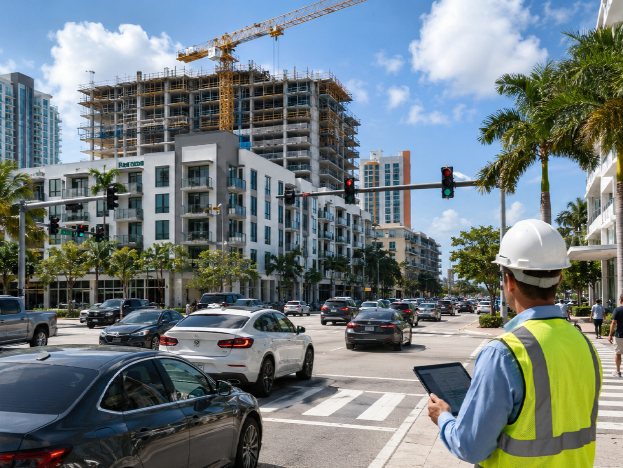
When I think about successful projects, whether they are commercial spaces, community developments, or institutional sites, I always come back to one simple truth. Planning ahead makes everything smoother. One of the most important steps I have seen in early planning is understanding how people and vehicles will move in and out of a site.
That is where a traffic study becomes so important. It is not just a technical report. It is a practical guide that helps decision makers understand real movement, real demand, and real challenges before construction begins. And as I often remind teams I work with, what you plan early can save you from major problems later, and this sets the stage for everything that follows.
Understanding how a site connects to the road network
In my experience, many project delays happen because the traffic impact is not fully understood at the start. A traffic study helps break that uncertainty. It looks at how new development will interact with nearby roads, intersections, and existing traffic flow.
A traffic study is especially important because many areas have growing populations, busy commercial zones, and changing transportation needs. I have seen situations where a project looked perfect on paper, but once traffic patterns were analyzed, adjustments were needed to improve access and safety. This step helps prevent surprises during approval processes and supports better design decisions, and this naturally leads to deeper planning considerations.
Why must safety and efficiency come first?
Whenever I review development plans, I always ask one question. Will this design work safely during peak hours? Safety and efficiency are not optional. They are essential.
A traffic study helps identify possible congestion points, unsafe turning movements, and areas where vehicles and pedestrians may conflict. It also supports better design solutions like improved entry points, signal adjustments, or turning lane additions. I have seen how even small design changes, suggested early, can completely improve traffic flow later.
This is not about adding complexity. It is about reducing it. When traffic behavior is understood clearly, projects move forward with fewer revisions and stronger approval confidence, and this brings us to the next important layer of planning.
Supporting approvals and reducing project delays
One of the biggest challenges I have seen teams face is regulatory approval delays. Many local authorities require a clear transportation analysis before giving project approvals.
A traffic study in Florida provides the data needed to support those decisions. It shows how a development will affect surrounding infrastructure and how those impacts can be managed responsibly. I have noticed that when teams present clear traffic insights, discussions with reviewing agencies become more productive and focused.
It also helps avoid redesign cycles that can slow down timelines. Instead of reacting to issues later, teams can proactively address concerns early. That kind of preparation always leads to smoother progress, and it naturally connects to long term planning value.
Improving long term mobility and access planning
Beyond approvals and safety, traffic studies also help shape long term mobility. I often encourage teams to think beyond just the opening day of a project. What happens five or ten years later?
A traffic study in Florida helps answer that by forecasting future traffic demand and identifying how transportation patterns may evolve. It can guide parking needs, access routes, and even pedestrian flow design. I have seen how this forward thinking approach creates spaces that remain functional and efficient over time, instead of becoming outdated quickly.
Good planning is not just about today. It is about building systems that continue to work as communities grow and change, and that brings everything together in a meaningful way.
Conclusion
From my experience working with planning and decision making processes, I have learned that transportation planning should never be treated as an afterthought. A well-prepared traffic study in Florida helps project teams understand impact, improve safety, support approvals, and plan for the future with confidence. It reduces guesswork and replaces it with clear direction.
When I look at successful developments, they all share one common factor. They invest time in understanding how people move before they build. That simple step often makes the biggest difference in long term success, and it is why early traffic analysis should always be part of the foundation of any project.
FAQs
Q. Why is a traffic study required before starting development projects in Florida?
It helps evaluate how new development will affect existing roads, intersections, and traffic flow, ensuring safer and more efficient planning decisions.
Q. Who usually requests a traffic study for a project?
Local government agencies, planning departments, or reviewing authorities typically request it before approving development plans.
Q. What factors are analyzed in a traffic study?
It usually includes traffic volume, peak hour flow, road capacity, turning movements, and access points.
Q. How does a traffic study help with project approvals?
It provides clear data that supports decision making and helps authorities understand the project’s impact on surrounding infrastructure.
Q. Can a traffic study influence project design changes?
Yes, it often leads to improvements in site access, parking layout, and traffic circulation to enhance safety and efficiency.