
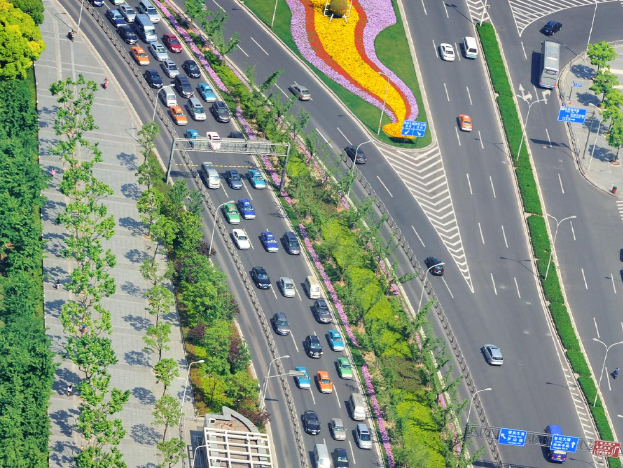
Urban areas continue to face growing transportation challenges as populations increase and development expands. Traffic congestion, limited parking availability, environmental concerns, and rising mobility demands require innovative planning strategies that go beyond simply building more roads. Sustainable communities need transportation systems that balance accessibility, efficiency, and environmental responsibility. This is where strategic mobility planning becomes essential for supporting long-term growth while maintaining quality of life for residents, businesses, and visitors alike. As cities evolve, Transportation Demand Management Planning Services have become a critical component in helping communities achieve transportation efficiency while supporting broader sustainability objectives.
Modern transportation planning is no longer focused solely on vehicle movement. Instead, it emphasizes creating balanced networks that support drivers, pedestrians, cyclists, public transit users, businesses, healthcare facilities, educational institutions, and residential communities. Through thoughtful planning, communities can reduce congestion, improve accessibility, and encourage smarter travel choices.
Building Smarter Communities Through Mobility Planning
Sustainable development depends on efficient transportation systems that connect people with opportunities while minimizing negative environmental impacts. Effective mobility planning helps communities better utilize existing infrastructure, reducing the need for costly roadway expansions while improving travel experiences for all users.
At MAPS, we understand that every community has unique transportation challenges. Our approach focuses on developing customized solutions that support economic growth, improve safety, and create more accessible transportation networks for future generations.
How Transportation Demand Management Planning Services Create Long-Term Benefits
Transportation Demand Management Planning Services help communities influence travel behavior through strategic planning rather than infrastructure expansion alone. These services focus on reducing peak-hour congestion, promoting alternative transportation options, optimizing parking resources, and enhancing overall mobility.
By encouraging walking, cycling, ridesharing, public transportation, and flexible commuting strategies, communities can reduce roadway pressure while improving transportation efficiency. These planning efforts also support development projects by helping them meet regulatory requirements and mobility objectives without creating unnecessary traffic burdens.
Reducing Traffic Congestion Without Expanding Roadways
One of the greatest advantages of demand management planning is its ability to address congestion through smarter transportation strategies. Instead of relying solely on new road construction, planners analyze travel patterns, parking demand, and mobility needs to identify practical solutions.
Traffic impact analyses, transportation studies, and mobility assessments help determine where improvements can be made. This data-driven approach allows communities to maximize existing infrastructure while reducing delays and improving overall traffic flow.
Supporting Environmental Sustainability Goals
Transportation remains one of the largest contributors to greenhouse gas emissions in many urban regions. Sustainable transportation planning helps reduce vehicle dependency by encouraging alternative travel options that lower emissions and improve air quality.
By integrating multimodal transportation networks, communities can support environmental initiatives while creating healthier, more livable environments. These strategies align closely with sustainability goals focused on reducing carbon footprints and promoting responsible urban development.
Improving Accessibility For All Community Members
Effective transportation planning should serve everyone, regardless of how they travel. Mobility strategies that consider pedestrians, cyclists, transit users, and drivers create more inclusive communities where transportation options are accessible and convenient.
Comprehensive planning also benefits hospitals, universities, commercial developments, and residential neighborhoods by improving connectivity and reducing transportation-related barriers. This creates stronger communities with greater economic and social opportunities.
Enhancing Development Approval Success
Transportation planning plays a vital role in development approvals. Municipalities often require detailed traffic studies, mobility assessments, and parking analyses before approving new projects. Proper planning helps developers address transportation impacts proactively while demonstrating compliance with regulatory requirements.
This streamlined approach supports project success while ensuring new developments contribute positively to the surrounding transportation network.
Conclusion
As communities continue to grow, sustainable transportation strategies are becoming increasingly important for balancing mobility, environmental responsibility, and economic development. Transportation Demand Management Planning Services provide practical solutions that reduce congestion, improve accessibility, optimize infrastructure, and support long-term sustainability goals. By focusing on smarter transportation choices and efficient mobility systems, communities can create safer, more connected environments that benefit residents and businesses alike.
If your organization is seeking expert guidance on Transportation Demand Management Planning Services, our team is ready to help develop customized mobility solutions that support your long-term objectives. Contact us today to start building a smarter and more sustainable transportation future.
FAQs
1. What are Transportation Demand Management Planning Services?
Our services focus on reducing traffic congestion and improving mobility by encouraging efficient transportation choices, such as public transit, ridesharing, walking, and cycling, as well as parking management strategies.
2. Why are transportation demand management strategies important?
We help communities improve traffic flow, reduce environmental impacts, optimize infrastructure investments, and support sustainable growth.
3. How do your services support development projects?
We provide transportation studies, traffic analyses, parking assessments, and mobility plans that help developments meet regulatory requirements and gain project approvals.