
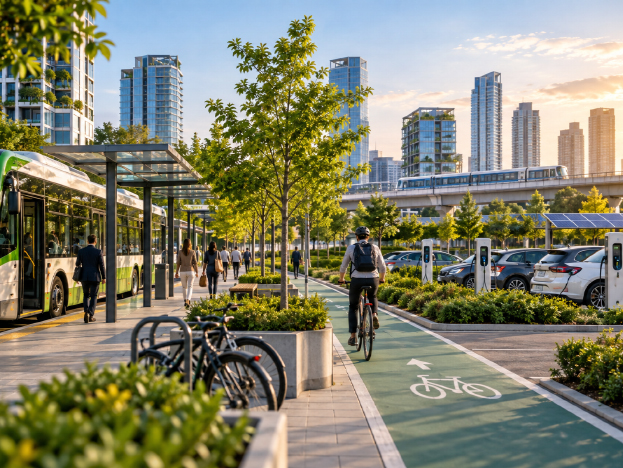
Thriving downtown districts depend on more than attractive storefronts and vibrant public spaces. Accessibility plays a critical role in shaping how residents, visitors, employees, and businesses interact with urban environments. When parking challenges create frustration, communities can experience reduced foot traffic, lower business activity, and transportation inefficiencies. Effective parking solutions help create a seamless experience that encourages people to visit, shop, dine, and invest in downtown areas.
As cities continue to grow, balancing mobility, accessibility, and economic development becomes increasingly important. This is where Downtown Parking Planning becomes a valuable tool for municipalities, developers, and community leaders seeking long-term success. Strategic parking management not only supports transportation goals but also strengthens local economies by making downtown destinations more accessible and convenient.
Enhancing Accessibility For Residents, Visitors, And Businesses
Accessibility is one of the most important factors influencing the success of a downtown district. When parking is difficult to locate or poorly managed, visitors may choose alternative destinations. A well-designed parking strategy helps ensure that spaces are available where and when they are needed.
By analyzing user behavior, travel patterns, and peak demand periods, communities can create parking systems that serve drivers, pedestrians, cyclists, and transit users alike. At MAPS, we develop customized mobility and parking solutions that improve access while supporting the unique needs of growing communities and commercial districts.
The Role Of A Downtown Parking Study In Strategic Decision Making
Before implementing improvements, communities must understand how existing parking resources are being used. A Downtown Parking Study provides valuable data on occupancy rates, turnover patterns, peak-demand periods, and future parking needs.
This data allows planners to make informed decisions rather than relying on assumptions. Through detailed analysis, municipalities can identify underutilized assets, address shortages, improve circulation, and develop policies that maximize existing infrastructure. The result is a more efficient parking system that supports both users and long-term development goals.
Supporting Economic Growth Through Smarter Parking Management
Parking directly impacts local business performance. Convenient access encourages customers to visit retail stores, restaurants, entertainment venues, healthcare facilities, and professional offices. When visitors can easily find parking, they are more likely to spend time and money within the downtown area.
Strategic parking management also supports new development opportunities. Developers are more likely to invest in areas where transportation infrastructure and parking resources are properly planned. By aligning parking strategies with economic development objectives, communities create an environment that attracts businesses, generates revenue, and supports sustainable growth.
Creating A Balanced Mobility Network
Modern downtown districts must accommodate a variety of transportation modes. Effective parking planning goes beyond simply adding more spaces. It involves creating a balanced system that integrates parking with walking paths, bicycle facilities, rideshare services, and public transportation.
This comprehensive approach improves overall mobility while reducing congestion and enhancing safety. By supporting multiple transportation options, communities can better manage growth and create more accessible urban environments for everyone.
Long-Term Benefits For Growing Communities
Downtown parking strategies should be designed with future growth in mind. Population increases, changing travel behaviors, and new development projects can quickly alter parking demand. Proactive planning helps communities adapt to these changes without experiencing significant disruptions.
Data-driven parking programs improve operational efficiency, reduce frustration, and support sustainable urban development. They also help municipalities make informed infrastructure investments that deliver long-term value for residents, businesses, and visitors alike.
Conclusion
Successful downtown districts require thoughtful solutions that support accessibility, mobility, and economic vitality. Through effective Downtown Parking Planning, communities can create more welcoming environments, improve visitor experiences, and support continued growth. Combining strategic planning with a comprehensive Downtown Parking Study provides the insights necessary to optimize resources, address future needs, and strengthen local economies.
Whether your community is experiencing growth, redevelopment, or changing mobility demands, the right parking strategy can make a significant difference. Contact us today to learn how our expert planning solutions can help create a more accessible, efficient, and prosperous downtown experience.
FAQs
1. What is downtown parking planning?
Downtown parking planning is the process of evaluating parking demand, accessibility needs, and transportation goals to create efficient parking systems that support community growth.
2. Why is a downtown parking study important?
A downtown parking study provides data on parking usage, demand patterns, and future needs, helping communities make informed planning decisions.
3. How does parking planning support local businesses?
Convenient parking improves accessibility, increases customer visits, and encourages economic activity throughout downtown districts.