
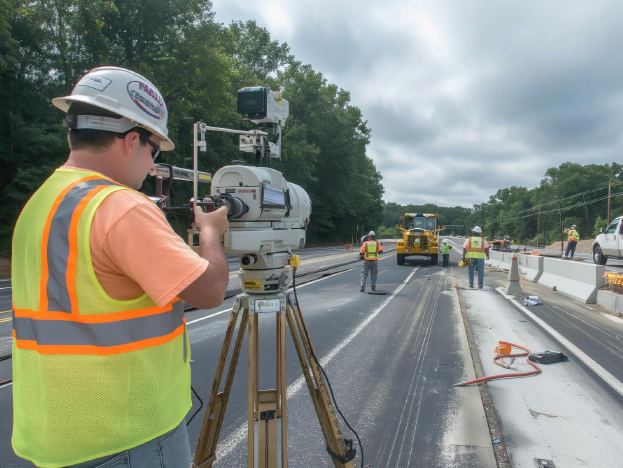
Why do traffic jams keep getting worse even when roads seem wide enough? And why do certain intersections always feel confusing or unsafe? These issues are common in fast-growing areas where traffic demand increases faster than planning. Simply adding more lanes does not always solve the problem.
Instead, the real answer lies in understanding how traffic behaves and planning it better. This is exactly where traffic engineering plays a role. By using data and practical planning methods, traffic engineering services in Broward County help improve safety, reduce delays, and create smoother daily travel. To see how this works, let’s start with the basics.
What Are Traffic Engineering Services and Why Do They Matter?
In simple terms, traffic engineering focuses on how roads are used and how movement can be improved. It includes traffic studies, safety checks, and planning strategies that help roads function better. This becomes important because unmanaged traffic often leads to delays, confusion, and safety risks.
For example, a poorly timed signal can slow down traffic for long periods. With proper analysis, these issues can be identified and fixed early. Once we understand their importance, the next step is to see how problems are actually identified.
Finding the Real Cause Behind Traffic Issues
At first glance, traffic problems may look random, but they usually follow clear patterns. Engineers collect data such as traffic volume, peak hour movement, and turning behavior. This helps them understand exactly where congestion begins and why it builds up.
For instance, a busy commercial zone may attract heavy traffic during specific hours, putting pressure on nearby roads. By identifying these patterns early, traffic engineering services in Broward County help prevent small issues from becoming major disruptions. With the root cause clear, improving safety becomes the next focus.
Traffic Engineering Services in Broward County for Safer Road Design
Once problem areas are identified, the focus shifts to making roads safer. This involves reviewing intersections, lane design, and pedestrian crossings. Even small changes, such as adding a dedicated turn lane or improving signal visibility, can reduce accidents.
In residential areas, traffic calming measures help control speed and improve safety for pedestrians. As a result, roads become safer and easier to use. After safety is addressed, improving traffic flow becomes the next logical step.
Making Traffic Flow Better Without Expanding Roads
In many areas, expanding roads is not practical. However, better planning can still improve how traffic moves. Engineers adjust signal timing, manage lane usage, and coordinate signals across intersections.
These changes reduce unnecessary stops and improve travel time. For example, synchronized traffic lights can help vehicles move continuously instead of stopping at every junction. This is how traffic engineering services in Broward County improve flow without major construction. As movement becomes smoother, cities are better prepared to handle growth.
Supporting Growth While Keeping Roads Functional
As new developments come up, traffic demand naturally increases. Without proper planning, this can lead to congestion and delays. Traffic impact analysis helps predict how new projects will affect existing roads.
Based on these insights, engineers suggest practical changes such as better access points or lane adjustments. This ensures that growth does not disrupt daily travel. When development is supported by proper planning, both businesses and communities benefit. With this in mind, let’s bring everything together.
Conclusion
Traffic challenges are not just about the number of vehicles on the road. They are often about how well those roads are planned and managed. With the right approach, it is possible to improve safety, reduce congestion, and create smoother travel for everyone. That is why traffic engineering continues to play an important role in shaping better road systems for the future.
FAQs
1. What do traffic engineering services include?
They include traffic studies, safety analysis, signal planning, and strategies to improve road performance.
2. How do traffic engineers identify congestion points?
They analyze traffic data such as volume, timing, and movement patterns to find problem areas.
3. Who benefits from traffic engineering services?
Drivers, pedestrians, businesses, and communities all benefit from safer and more efficient roads.