
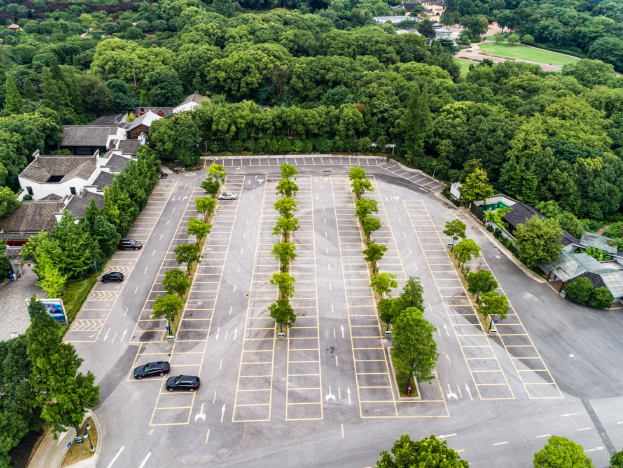
A restaurant owner reports losing customers due to limited nearby parking. Residents complain about event overflow into neighborhoods, while city staff observes unused spaces in a nearby garage. Each concern is valid, but none alone reflects how the entire parking system functions across locations, times, and user groups. Before investing public funds and land into new construction, a downtown parking study helps determine whether the issue is a true shortage or a problem related to location, turnover, access, or management.
MAPS Engineering supports municipalities by replacing assumptions with data. By analyzing supply, occupancy, duration, user behavior, curb activity, and future demand, city leaders can evaluate whether better management, shared use, improved access, or new construction is the most effective solution.
Understanding Why Parking Complaints Can Be Misleading
Parking complaints often reflect localized frustration rather than system-wide shortages. Drivers typically seek spaces closest to their destination, so a full block can create the perception of a broader issue even when nearby capacity exists.
A downtown parking study measures occupancy rates across different areas and times, helping distinguish between concentrated demand and overall supply gaps. It also evaluates turnover, which indicates how frequently spaces become available. For example, curb spaces occupied all day by employees reduce availability for short-term visitors. Identifying these patterns allows cities to better align parking use with intended purposes.
Identifying Underused Parking Resources
Many downtown areas have underutilized parking assets, including garages, surface lots, and private facilities. However, availability alone does not guarantee usability. MAPS Engineering examines barriers that prevent drivers from using these spaces.
Common issues include poor visibility, difficult access points, inconsistent pricing, unclear signage, safety concerns, or inconvenient walking routes. Addressing these factors can significantly improve utilization without adding new spaces.
Shared parking is another effective strategy. Different land uses often have complementary peak demand periods. Offices may require parking during the day, while restaurants and entertainment venues peak in the evening. Coordinating access and policies allows multiple users to share the same spaces, reducing the need for additional infrastructure.
Using Data to Guide Cost-Effective Decisions
A downtown parking study provides actionable insights that support practical and financially responsible solutions. Recommendations may include improved wayfinding, adjusted time limits, employee parking programs, revised pricing strategies, or enhanced pedestrian connections.
MAPS Engineering integrates parking analysis with traffic and mobility planning, ensuring that recommendations align with broader transportation goals. This approach helps cities understand how parking decisions affect circulation, curb management, and redevelopment opportunities.
If data shows that well-located facilities are consistently full during peak periods, both now and in future projections, new parking construction may be justified. However, this decision should follow a thorough evaluation of operational improvements, land use priorities, and financial feasibility.
Making Informed Parking Investment Decisions
Parking challenges require careful analysis, not assumptions. A downtown parking study gives municipal leaders a clear understanding of where capacity exists, where demand is concentrated, and what strategies can improve performance.
MAPS Engineering helps cities maximize existing resources while preparing for future needs. By focusing on data-driven solutions, municipalities can avoid unnecessary construction and invest in strategies that deliver long-term value.
Plan Your Next Steps With MAPS Engineering
Before committing to new parking infrastructure, consider what your current system can achieve. MAPS Engineering provides the expertise needed to evaluate existing conditions and develop a phased, cost-effective plan.
A well-executed study transforms parking concerns into actionable insights, helping cities make informed decisions that support economic activity, community needs, and responsible growth.
Key Questions Municipal Leaders Should Consider
1. What does a downtown parking study evaluate?
It examines parking supply by type and location, occupancy rates, turnover, duration, pricing, restrictions, user groups, peak demand periods, curb activity, access, and planned development.
2. How does the study identify unused capacity?
By collecting data across multiple days and times, the study highlights areas with available spaces while nearby locations experience high demand. It also identifies barriers such as pricing, visibility, or access that limit usage.
3. Can the study determine if new parking is needed?
Yes, it provides the data needed to support that decision. However, cities should also consider costs, location, projected demand, land use goals, and alternative solutions before proceeding with construction.