
What Should Transportation Demand Management Planning Services Measure Before a Development Is Approved?
Transportation Demand Management (TDM) planning should begin with evidence, not a standard list of bike racks, transit passes, rideshare spaces, or carpool programs. Before a development team commits to site changes or parking assumptions, transportation demand management planning services should determine how people are likely to travel, when demand will peak, and which alternatives to driving are practical at the site. For developers, owners, architects, and municipal reviewers, the goal is a review-ready plan that connects trip activity, parking demand, access, curb use, and mobility options. MAPS can evaluate these conditions together, helping project teams identify transportation issues while design changes are still feasible. Measure Trip Generation and Peak-Period Demand A residential building, medical office, campus facility, mixed-use project, and commercial development will produce different travel patterns. Daily trip totals alone may not reveal the conditions that affect driveways, intersections, parking entrances, or pedestrian routes. Effective transportation demand management planning services should evaluate projected trip generation, arrival and departure periods, travel purposes, and user groups. The analysis may include residents, employees, customers, patients, students, visitors, delivery drivers, service providers, rideshare users, pedestrians, cyclists, transit riders, and people with accessibility needs. Understanding these groups helps determine which TDM measures can influence travel behavior and when those measures will matter most. Compare Parking Supply With Actual Demand Parking planning should be evaluated alongside TDM because parking conditions often influence whether people choose to drive. A project may appear to require additional parking when the underlying issue is poor space allocation, concentrated shift changes, limited wayfinding, or demand occurring at different times among user groups. A complete review should measure parking supply, projected demand, peak accumulation, duration of stay, shared-use opportunities, and the needs of residents, employees, visitors, and customers. This analysis can help prevent both excessive parking construction and operational shortages. MAPS provides parking demand analysis, shared parking studies, right-size parking, curb lane management, mobility data collection, and TDM planning as part of its transportation consulting services. Evaluate Transit, Walking, Biking, and Accessibility A nearby transit stop does not automatically make transit a practical option. TDM planning should examine service frequency, route destinations, stop access, sidewalk conditions, crossing safety, bicycle connections, lighting, and first- and last-mile barriers. Accessibility should be assessed at the same time. The plan should review accessible parking, curb ramps, passenger loading, drop-off areas, pedestrian routes, and the distance between arrival points and building entrances. These details are particularly important for healthcare, residential, educational, public, and mixed-use developments. Analyze Curb Activity and Site Access Pick-up, drop-off, deliveries, loading, rideshare activity, shuttles, and service vehicles can create short periods of intense demand. Without early analysis, these activities may block driveways, interfere with parking entrances, conflict with pedestrians, or affect nearby traffic. A review-ready plan should identify where curb activity will occur, when it will peak, how long vehicles will remain, and who will manage the space. It should also confirm that vehicles can enter, wait, load, unload, and leave without creating avoidable circulation or safety problems. Define Measures, Responsibilities, and Performance Targets TDM strategies should be selected after site conditions are measured. Depending on the findings, appropriate measures may include transit information, shuttle service, carpool support, bicycle facilities, pedestrian improvements, staggered schedules, shared parking, parking management, curb controls, wayfinding, or employee and resident communications. The plan should also identify who will implement each measure, when implementation will occur, how performance will be monitored, and what adjustments will be made if results differ from projections. Forecasts are assumptions, so monitoring helps ensure that the plan remains useful after occupancy. Conclusion Before approval, TDM planning should measure travel behavior, peak demand, parking conditions, curb activity, transit access, walking and biking connections, accessibility, and implementation responsibilities. With MAPS’ integrated traffic, parking, and mobility perspective, transportation demand management planning services can help development teams make practical, financially responsible, and review-conscious decisions before costly commitments are made. FAQs 1. When should TDM planning begin? TDM planning should begin before the site plan is finalized, while access, parking, curb areas, pedestrian connections, and internal circulation can still be adjusted. 2. What data should be collected first? The project team should review trip generation, peak-period activity, parking supply and demand, transit service, pedestrian and bicycle conditions, accessibility needs, curb activity, and expected user groups before selecting strategies.
Transportation Demand Management Vs Traffic Study Which To Choose?
Choosing between a Transportation Demand Management plan and a traffic study depends on what is actually causing pressure on your project. A traffic study evaluates how vehicle trips affect surrounding roads and intersections. A TDM plan focuses on how people travel and how that demand can be managed. The right choice becomes clear when you identify whether the issue is capacity or behavior. Most teams do not struggle because the options are unclear. They struggle because the problem is not defined properly. Congestion, parking pressure, or access issues often appear similar on the surface, but they come from very different causes. When reviewing transportation demand management planning services, we focus on identifying the real source of the problem first. This avoids unnecessary analysis and ensures the solution leads to measurable improvement instead of just explanation. How do you decide between a TDM plan and a traffic study? Start with one practical question. What is creating pressure on the site? If roads and intersections cannot handle demand, you need a traffic study. If parking demand and travel patterns are creating the issue, you need a TDM plan. If both exist, a combined approach provides better results. This decision becomes easier when you look at how the site operates instead of relying on assumptions. What traffic study actually helps you understand? A traffic study focuses on measurable roadway impact. It shows how many trips your project generates and how those trips interact with surrounding infrastructure. When compared with transportation demand management planning services, this approach concentrates more on measuring vehicle flow rather than influencing how that demand can change. It helps you understand: Where congestion occurs during peak periods? How do intersections perform under added demand? Whether existing roads can support growth? Where adjustments may be required? This type of analysis works best when vehicle movement and road performance drive the issue. Improving site performance through a TDM plan A TDM plan focuses on how people access and use a site. It looks beyond traffic counts and examines behavior, timing, and parking demand. It helps you address repeated peak demand patterns pressure caused by limited parking inefficient access and circulation opportunities to manage demand without expanding infrastructure Instead of increasing capacity, it improves how the system performs. If your project is at a stage where the next step is unclear, this is the point where a structured evaluation can prevent unnecessary costs and guide the right direction early. Where most projects lose time and budget Many projects default to traffic analysis even when the issue comes from how people use the site. This leads to reports that explain congestion but do not reduce it. In other cases, teams attempt demand strategies without understanding roadway limits. This creates plans that do not resolve performance issues. The problem is not choosing the wrong service. The problem is choosing without understanding what is actually failing. Evaluating the right approach for your project We begin by studying how the site functions in real conditions. We look at traffic movement, parking demand, and how users access the property throughout the day. This includes How does demand build during peak periods? How is the parking supply used? How do access points perform under pressure? How travel patterns influence overall performance? This combined view allows us to recommend the right approach with confidence. Combining both approaches for better outcomes Some projects require both analysis and strategy. A traffic study identifies where pressure exists. A TDM plan recommends ways to manage that demand. For example, peak congestion at access points may not require expansion if demand can be managed more effectively. This approach helps improve performance without relying only on physical changes. Parking demand as a key indicator of underlying issues Parking demand often explains what traffic data alone cannot. When demand exceeds supply, circulation becomes inefficient and congestion increases. A traffic study measures how this demand affects surrounding roads. A TDM plan focuses on how that demand can be better managed. Looking at both together provides a clearer and more practical path forward. Quick decision guide you can use right now Use this simple guide to move forward with clarity Roadway congestion and intersection delays point toward a traffic study. Parking pressure and repeated peak demand point toward a TDM plan. A mix of both conditions often requires a combined approach. This removes guesswork and keeps the focus on solving the right problem. What experienced project teams always confirm first? How do we know we are solving the right problem before investing in a study? The answer comes from evaluating conditions together instead of separately. When traffic movement, parking demand, and travel patterns are reviewed as one system, the correct direction becomes clear. This prevents unnecessary work and ensures the outcome supports real improvement. Moving forward with the right clarity Choosing between a traffic study and a TDM plan should not feel uncertain. When the problem is defined clearly, the next step becomes obvious. Transportation Demand Management Planning Services support that process by helping projects move from assumption to informed decision making. This leads to better performance, more efficient use of resources, and stronger long term outcomes. If you are comparing options and want to avoid delays or rework, starting with the right evaluation is often the most valuable step you can take. FAQs 1. What is the main difference between a traffic study and a transportation demand management plan? A traffic study measures how vehicle trips affect roads and intersections. Transportation demand management planning services focus on how people travel and how that demand can be managed. One analyzes impact, while the other improves how the site operates over time. Both serve different purposes depending on the problem. 2. How do I know if my project needs a traffic study or a TDM plan? You can decide based on what is causing the issue. Choose a traffic study if roads or intersections are under pressure. Choose a TDM plan if parking demand or travel patterns create congestion. Use
How Mobility Planning Services and Traffic Impact Analysis Align?

When a project goes in for review, traffic impact analysis usually gets attention first. Reviewers look at it closely because it shows how your development will affect nearby streets, intersections, and access points. But traffic impact analysis should never work on its own. Our mobility planning services connect traffic studies with parking planning, curb management, and street design before plans are submitted. When these pieces move forward together, your project goes into review with a single, clear story rather than several disconnected reports. Traffic Impact Analysis Is the Foundation, Not the Finish Line A traffic impact analysis examines projected trips, turning movements, and the entry and exit points of a site. Agencies rely on it because they need to understand how your project fits into the surrounding network. That analysis sets the tone. What often creates trouble is not the study itself. It happens when traffic findings do not align with parking supply decisions or curb layout plans. Even small gaps between reports can slow a project down. Through our mobility planning services, we make sure traffic assumptions connect clearly with parking planning and curb management so those gaps do not surface during review. Where Review Friction Usually Starts Here is what we often see. A traffic study moves ahead based on certain assumptions. Later, parking demand analysis evaluates supply levels. Transportation demand management planning introduces strategies meant to influence travel choices. Curb lane management looks at loading and short-term activity along the frontage. If these efforts develop separately, they may rely on slightly different numbers or expectations. Reviewers notice when that happens. They compare projected trips to parking supply. They look at curb allocation and turning movements. They ask whether the studies reflect the same conditions. When the answer is unclear, the review process slows. How We Keep Everything Aligned We treat movement as one connected system. Our traffic engineering, parking planning, and services for mobility planning operate under the same structure. Complete streets design supports safe access for everyone using the site. Curb lane management studies how loading and pickup activities actually function. Transportation demand management planning looks at how travel behavior affects demand. Transit-oriented development design strengthens transit connections. A review of wayfinding signage improves how people move through the site. Mobility data collection and analysis support each recommendation with documented conditions. Because we coordinate these services together, the numbers stay consistent. That means: Traffic forecasts reflect curb allocation decisions. Parking findings support transportation demand management strategies. Safety analysis informs street design considerations. Community outreach feedback connects to planning adjustments. When these pieces line up, no report contradicts another during review. That consistency builds trust with reviewers and reduces unnecessary back-and-forth. A Situation That Feels Familiar Picture a mixed-use project near transit with limited curb space. Delivery trucks share space with the passenger drop-off. Parking supply affects financing. Neighbors worry about congestion. If traffic impact analysis moves forward on its own, it may forecast vehicle volumes without fully accounting for curb activity. If parking demand analysis is conducted separately, it may recommend supply levels that do not align with demand management planning. If outreach happens late, curb concerns may require design changes. When we study these issues together before submission, we reduce those surprises. We resolve conflicts early instead of during review. A Question You Should Always Ask Before you hire a team, ask this directly. 1. Will traffic impact analysis and mobility planning operate under one coordinated structure? Answer- Our services page covers traffic impact analysis, parking demand analysis, complete streets design, curb lane management, transportation demand management planning, and community outreach within a single organization. That structure allows us to align assumptions from the beginning. Alignment does not remove review scrutiny. It reduces unnecessary friction. 2. Why This Matters for Your Project? A traffic impact analysis is important, but it works best when it connects to the broader mobility picture. When traffic, parking, and curb decisions move forward together, your project enters review with clear documentation and consistent logic. Final Words If you are evaluating services for mobility planning, look closely at how providers connect traffic studies with parking planning and curb management. If your project also requires an MOT Plan Florida, ensure that the temporary traffic control planning aligns with the same traffic impact analysis and access assumptions. At MAPS Engineering Services, we organize these disciplines within one coordinated approach so your project does not suffer from avoidable misalignment. FAQs ● What is mobility planning, and why does it matter for development approval? Mobility planning brings traffic studies, parking analysis, curb planning, and access design into one coordinated effort before you submit plans. Agencies do not review these items separately. They look at how they work together. When the numbers and assumptions match across reports, your project moves through review with fewer questions and less risk of delay. ● How does a traffic impact analysis connect to mobility planning? A traffic impact analysis estimates trips, turning movements, and vehicle entry and exit. Mobility planning makes sure those projections align with parking supply, curb layout, and travel demand strategies. When everything reflects the same baseline conditions, reviewers see a clear, consistent picture instead of mixed signals. ● Can traffic impact analysis and parking demand studies conflict? Yes, they can. Conflict usually arises when studies use different assumptions about trips, access, or expected demand. Reviewers often compare vehicle projections with parking supply and curb allocation. If the logic does not line up, they ask for clarification. Coordinated planning prevents that disconnect from the beginning. ● When should mobility planning begin during a project? Mobility planning should start before the site layout is finalized. Early coordination enables traffic analysis, parking evaluation, and curb planning to be developed under a common set of assumptions. When teams wait until late in design, inconsistencies are harder to fix and may lead to revisions during agency review. ● What should I look for when choosing mobility planning services? Look for clear coordination. Confirm that traffic impact analysis, parking demand analysis, curb lane management, and transportation demand
How are Effective Transportation Demand Management and Parking Management Plans Developed?

People in the parking industry are constantly asking themselves if Parking and Transportation Demand Management (TDM) are opposing forces. Does parking represent the evil product of our country’s addiction to a driving culture? Is TDM Hans Solo and Parking Darth Vader? Well if your only goal in the parking industry is to make money, then you might view reducing the number of drivers as hurting a parking facility’s earning potential. However, one of the best strategies to reduce vehicle trips and encourage people to use other forms of transportation is by increasing parking rates. This increase in rates may offset any reduction in demand from implementing other TDM strategies. I digress. The fact is they are not opposing forces, but one in the same. They both need to be designed and managed properly to create a cohesive, well operated system that serves all forms of transportation, including drivers. As a parking consultant, the main question we need to answer is how we develop a feasible and effective TDM and parking management strategy for each client. The answer is that it requires a process. What Questions to Ask The development of an effective TDM and parking management strategy, starts with questions. What amount of money would get a person to change their mode of transportation? What would be the user’s preferred alternative mode of transportation? What would incentivize a person to park off site and take a shuttle? These are the types of questions that need to be answered by the users of a facility or institution when developing a TDM plan for any client, including a university, hospital, municipality, office complex, etc. These questions can be easily answered through questionnaire surveys. The next assessment is what the client can effectively do to change their users’ (i.e. customers, employees, students, patients, etc.) transportation and parking habits. Infrastructure Based TDM Strategies There is a wide menu of TDM strategies that can be applied for every situation and type of users. There is carpooling, car share, bike share, transit fare subsidies, etc. However, there are two main types of strategies: the incentive (i.e. carrot) and the infrastructure (i.e. stick). Infrastructure based TDM strategies include improvements to the transit system, bike/pedestrian network, bike/pedestrian amenities, car-share vehicles, etc. These are the TDM strategies that improve a person’s convenience and ability to travel to the facility when using alternative modes of transportation. Incentive Based TDM Strategies The other group of TDM strategies are the incentive-based strategies, which help change the commuter cost equation. Everyone does the calculation in their head to determine their commute cost and figures the most economically favorable option. Incentive based TDM strategies can tend to be the most controversial, and are heavily dependent on how parking is managed. The management of a parking system plays a huge role in the commuter cost equation. The easy situation is located in an urban center with transit service, limited parking availability, high parking rates, poor traffic conditions, etc. The most difficult situation is located in a suburban or rural area with an abundance of free parking located at the facilities doorstep. The culture and expectations for each type of user is different. However, there are solutions for every type of client that can begin to create a cultural shift and get people to use alternative modes of transportation. Conduct a Questionnaire Survey After reviewing the questionnaire surveys and analyzing the opportunities to enhance or implement both infrastructure and incentive based TDM strategies, the next major question in creating a cohesive, well-designed system, is to identify the future parking demand and the realistic potential to reduce demand through each type of TDM and parking management strategy. This is often difficult. However, you need to determine your organization’s starting point by identifying the current percentage of people using each form of transportation (i.e. vehicle, bike, transit, walking, etc.). This can be analyzed through a questionnaire survey, which can also provide insight regarding what percentage of people are willing to use other forms of transportation and their travel mode preferences. Another factor to consider is where users live in proximity to the facility/institution/area. This can be determined by mapping home addresses or zip codes, and identifying improvements to service these areas with transit, bike lanes, pedestrian paths, etc. One last major factor to consider is the economics of each travel choice. It needs to be determined how costly it is to drive and park versus other forms of transportation. The one essential piece to this equation which must be understood is how much the institution is willing to subsidize alternative modes of transportation (i.e. free transit cards, parking cash out payment, etc.). An institutions inclination to subsidize other forms of transportation can be based on a number of issues, including: lack of space to construct more parking, cost to construct parking, and the institutions sustainability goals. Each of these factors provides insight in developing accurate projections of the potential to reduce vehicle trips by implementing or investing in TDM strategies. Parking Management Strategies As stated earlier, parking is part of the equation in developing a TDM plan. Additional parking may still be necessary to support future demand even with the implementation of TDM strategies. This would be simply based on the future parking demand analysis for the facility, campus, or area, and the projected reduction in parking demand from implementing TDM strategies. Not only should the capacity of the parking system be considered, but how parking is managed. There is a number of parking management strategies that can be implemented to support a TDM program, including: Shared parking, Remote parking, Daily pay parking system (i.e. hourly or daily rates), Demand based pricing, Parking maximums, On-street parking policies, Real-time parking availability and way-finding signage, Parking access and revenue control equipment, Parking cash-out program. Daily versus Monthly/Annual Parking Rate How each of these strategies is implemented and designed is unique for each organization and some of these practices may not even apply for each organization. However, the use
Applying for a Mobility Fee Variance: A Step-by-Step Guide
When new developments are planned, local governments often require the payment of mobility or development impact fees to support infrastructure such as roads, transit, and pedestrian facilities. For example, Miami-Dade County has a complex formula to calculate the mobility fees for bicycle, transit, and vehicular activity. The calculation is based on the number of trips generated, length of trips, walkability, and transit access. However, each community has its own formula and set of fees. These fees help fund roadway improvements to mitigate the impact of increased traffic and activity on public roads. However, in some cases, a developer or property owner may find that the standard fee does not fairly reflect their project’s unique circumstances. In such cases, applying for a mobility or impact fee variance may be an appropriate course of action. This article outlines what a mobility fee variance is, who might qualify, and how to navigate the application process. What Is a Mobility or Impact Fee Variance? A mobility or impact fee variance is a formal request to alter the standard mobility fee assessed by a local government. This can include a reduction in the fee amount, a deferral of payment, or an alternative calculation method. Variances are typically granted when an applicant can demonstrate that: Their project generates significantly less traffic than similar developments. The fee calculation does not accurately reflect the development’s actual impact. There are exceptional or unusual circumstances warranting an adjustment. Who Can Apply for a Variance? Anyone can apply for a mobility fee variance, but they should first talk with a traffic engineer if they have a valid opportunity for a fee reduction. The mobility fee is primarily dependent on the amount of traffic projected to the development, which is typically based on the Institute of Transportation Engineers (ITE) Trip Generation Manual. The following are a sample of valid reasons the trip generation rates published in the ITE Trip Generation Manual are not valid or a reduction is justified: Unique type of property, Mixed-use development, Located in an urban, walkable community, Close to public transit, Existing property on site that generates traffic which allows a reduction in net trips generated, and Expanding a facility but not increasing staff or services. Mobility fee variances are most commonly sought by: Developers of affordable housing, senior housing, or transit-oriented developments. Nonprofit organizations. Property owners with existing infrastructure investments. Applicants developing in areas with underutilized infrastructure. Developments where the applied trip generation rates are not appropriate. Mixed-use developments. Keep in mind that each jurisdiction has its own criteria, and approval is not guaranteed. When to Apply The ideal time to apply for a mobility fee variance is early in the development review process, typically during site plan or permit application submission. Applying too late can lead to project delays or missed deadlines. Steps to Apply for a Mobility Fee Variance Typically, the municipality is going to request a study that justifies the reduction. The study would analyze comparable sites to determine if a reduction in the trip generation rates is justified by conducting counts during peak periods. Below is an outline of the mobility fee variance application process. Review Local Ordinances and Guidelines Visit your local planning department’s website or contact a planning official. Review the mobility fee schedule, variance criteria, and relevant forms. Prepare a Justification Report This report should clearly outline why the standard mobility fee is not applicable. Include data such as: Traffic impact analysis. Trip generation studies. Transit access. Land use comparisons. If your project aligns with public goals (e.g., reducing vehicle dependency), highlight that alignment. Complete the Application Form Provide all requested project details, including location, size, proposed use, and development timeline. Attach all required documentation, including the justification report, site plans, and supporting studies. Pay Any Applicable Application Fees Some jurisdictions charge a processing fee for variance requests. Submit the Application Follow the specific submission process outlined by your local authority (online, mail, or in person). Participate in the Review Process The planning department will review your request and may schedule a hearing or meeting. You may be asked to present your case before a planning board or commission. Receive a Decision The reviewing authority may approve, deny, or approve with conditions. If denied, you may have the option to appeal. Tips for a Successful Application Engage a Professional: Hiring a traffic engineer is typically required. Be Transparent: Clearly communicate the project’s benefits and how they offset potential mobility impacts. Stay Organized: Submit complete and accurate documentation to avoid delays. Follow Up: Stay in contact with planning staff to track your application’s progress. Final Thoughts A mobility fee variance can have a substantial payback depending on the amount of the reduction. Recently, MAPS conducted a mobility fee variance for a proposed Padel Court in Miami-Dade County, and was able to justify a mobility fee reduction of approximately $85k and the study only cost approximately $7k. A mobility fee variance can offer meaningful financial relief for projects that contribute to community goals or have minimal traffic impacts. While the process can be technical and requires solid justification, understanding your local regulations and preparing a strong application increases your chance of success. Always consult with traffic engineering professionals and local officials to tailor your approach to the specific requirements of your jurisdiction. If you’re unsure where to begin, your city, county planning/development/traffic engineering department, or a knowledgeable traffic engineer is a great starting point for guidance.
Transportation Demand Management Technologies
Transportation Demand Management (TDM) is the strategy to promote alternative modes of transportation and reduce single-occupancy vehicles on the road. There is a menu of either policy or infrastructure TDM strategies that can be applied and a wide variety of technology companies that support these strategies. Most parking planners and engineers are familiar with rideshare (i.e. Uber and Lyft), carshare (i.e. Car2Go, Zipcar, and Enterprise), bikeshare (i.e. Bird and LimeBike), and all the other micromobility services available (i.e. scooters, mopeds, etc.). However, there are some lesser known technology companies that can support TDM strategies. Carpooling To promote carpooling municipalities may offer toll discounts for high-occupancy vehicles (HOV). GoCarma is a bluetooth enabled device that detects when people with the app are in a vehicle. This would then allow this vehicle to use HOV or toll lanes at a discounted price, if offered by the jurisdiction. This technology was recently implemented in North Texas, which offers a 50% toll discount. Ridematching Another strategy to help facilitate carpooling is through ridematching services. Zimride (by Enterprise) is a secure ride-sharing platform for companies and universities. Employers and universities can offer incentives to employees or students that carpool, including discounted parking and premium parking. TDM Program Software for Employees Luum is a company that offers software for employers to engage employees, administer benefits, manage parking, and integrate mobility options. This is a great tool to help manage and promote a TDM program implemented by a company. The software platform allows for seamless reimbursement of commute expenses, management of pre-tax dollars for commute expenses, real-time data on program performance, parking management, and social interaction between employees. Another TDM management platform similar to Luum is offered by the company RideAmigos. This is a commuter management platform that can be offered by employers to promote alternative modes of transportation. This platform can help match ridesharing partners, facilitate parking cash-out programs, connect to multimodal trip planners, offer competitions and incentives, and allow employers to analyze the results of the programs. There is a wide landscape of companies that offer technologies and services that promote alternative modes of transportation. The next big horizon is mobility aggregators (i.e. cogo) that would combine real-time information on mobility services and payment on one platform. However, these applications are limited due to commercial agreements and privacy from rideshare companies, micromobility companies, and parking facility owners.
Why Transportation Demand Management Planning Services Support Sustainable Development Goals?
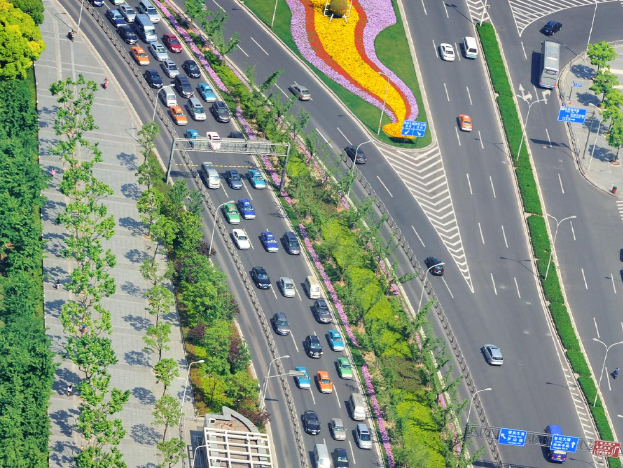
Urban areas continue to face growing transportation challenges as populations increase and development expands. Traffic congestion, limited parking availability, environmental concerns, and rising mobility demands require innovative planning strategies that go beyond simply building more roads. Sustainable communities need transportation systems that balance accessibility, efficiency, and environmental responsibility. This is where strategic mobility planning becomes essential for supporting long-term growth while maintaining quality of life for residents, businesses, and visitors alike. As cities evolve, Transportation Demand Management Planning Services have become a critical component in helping communities achieve transportation efficiency while supporting broader sustainability objectives. Modern transportation planning is no longer focused solely on vehicle movement. Instead, it emphasizes creating balanced networks that support drivers, pedestrians, cyclists, public transit users, businesses, healthcare facilities, educational institutions, and residential communities. Through thoughtful planning, communities can reduce congestion, improve accessibility, and encourage smarter travel choices. Building Smarter Communities Through Mobility Planning Sustainable development depends on efficient transportation systems that connect people with opportunities while minimizing negative environmental impacts. Effective mobility planning helps communities better utilize existing infrastructure, reducing the need for costly roadway expansions while improving travel experiences for all users. At MAPS, we understand that every community has unique transportation challenges. Our approach focuses on developing customized solutions that support economic growth, improve safety, and create more accessible transportation networks for future generations. How Transportation Demand Management Planning Services Create Long-Term Benefits Transportation Demand Management Planning Services help communities influence travel behavior through strategic planning rather than infrastructure expansion alone. These services focus on reducing peak-hour congestion, promoting alternative transportation options, optimizing parking resources, and enhancing overall mobility. By encouraging walking, cycling, ridesharing, public transportation, and flexible commuting strategies, communities can reduce roadway pressure while improving transportation efficiency. These planning efforts also support development projects by helping them meet regulatory requirements and mobility objectives without creating unnecessary traffic burdens. Reducing Traffic Congestion Without Expanding Roadways One of the greatest advantages of demand management planning is its ability to address congestion through smarter transportation strategies. Instead of relying solely on new road construction, planners analyze travel patterns, parking demand, and mobility needs to identify practical solutions. Traffic impact analyses, transportation studies, and mobility assessments help determine where improvements can be made. This data-driven approach allows communities to maximize existing infrastructure while reducing delays and improving overall traffic flow. Supporting Environmental Sustainability Goals Transportation remains one of the largest contributors to greenhouse gas emissions in many urban regions. Sustainable transportation planning helps reduce vehicle dependency by encouraging alternative travel options that lower emissions and improve air quality. By integrating multimodal transportation networks, communities can support environmental initiatives while creating healthier, more livable environments. These strategies align closely with sustainability goals focused on reducing carbon footprints and promoting responsible urban development. Improving Accessibility For All Community Members Effective transportation planning should serve everyone, regardless of how they travel. Mobility strategies that consider pedestrians, cyclists, transit users, and drivers create more inclusive communities where transportation options are accessible and convenient. Comprehensive planning also benefits hospitals, universities, commercial developments, and residential neighborhoods by improving connectivity and reducing transportation-related barriers. This creates stronger communities with greater economic and social opportunities. Enhancing Development Approval Success Transportation planning plays a vital role in development approvals. Municipalities often require detailed traffic studies, mobility assessments, and parking analyses before approving new projects. Proper planning helps developers address transportation impacts proactively while demonstrating compliance with regulatory requirements. This streamlined approach supports project success while ensuring new developments contribute positively to the surrounding transportation network. Conclusion As communities continue to grow, sustainable transportation strategies are becoming increasingly important for balancing mobility, environmental responsibility, and economic development. Transportation Demand Management Planning Services provide practical solutions that reduce congestion, improve accessibility, optimize infrastructure, and support long-term sustainability goals. By focusing on smarter transportation choices and efficient mobility systems, communities can create safer, more connected environments that benefit residents and businesses alike. If your organization is seeking expert guidance on Transportation Demand Management Planning Services, our team is ready to help develop customized mobility solutions that support your long-term objectives. Contact us today to start building a smarter and more sustainable transportation future. FAQs 1. What are Transportation Demand Management Planning Services? Our services focus on reducing traffic congestion and improving mobility by encouraging efficient transportation choices, such as public transit, ridesharing, walking, and cycling, as well as parking management strategies. 2. Why are transportation demand management strategies important? We help communities improve traffic flow, reduce environmental impacts, optimize infrastructure investments, and support sustainable growth. 3. How do your services support development projects? We provide transportation studies, traffic analyses, parking assessments, and mobility plans that help developments meet regulatory requirements and gain project approvals.