
What Does a Traffic Engineering Company Actually Do for Commercial and Residential Projects?
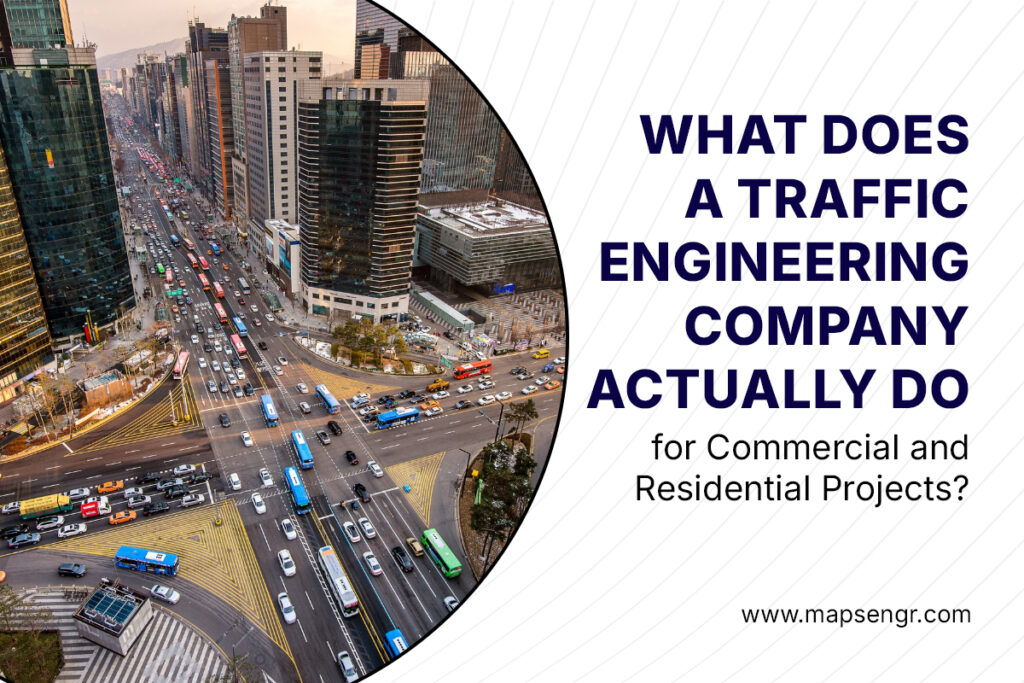
Growth brings new buildings, more cars, and higher demand for safe roads. This is where a Traffic Engineering Company plays an important role. These professionals study how traffic moves and how new projects affect roads, parking, and safety. They help developers, communities, and property owners make better decisions before construction begins. This early planning helps avoid future traffic problems, so projects can move forward with confidence. They also focus on safety and efficiency for everyone. Their work supports drivers, pedestrians, and communities by improving how transportation systems function. As a result, projects become more organized and easier to manage, which creates a strong base for the next step. How do Traffic Studies Help Commercial and Residential Projects? Traffic engineers conduct detailed studies to understand current traffic and predict future conditions. They prepare a Traffic Impact Analysis to see how a new building or residential development will affect nearby roads. This helps identify problems early and allows planners to make improvements before issues appear. Because of this, developers can meet requirements and get approvals/permits more smoothly. They also create traffic calming plans and transportation studies. These plans help make streets safer and easier to use. For example, residential communities benefit from safer and more pedestrian-friendly roads. Commercial projects benefit from better access and smoother vehicle flow. This process helps projects serve users better, which leads to the next important area of planning. Why Parking Planning Matters for Project Success? Parking is a key part of both commercial and residential developments. Engineers/Planners conduct parking demand analyses to understand how much parking a project needs. They also perform shared parking analyses to use spaces more efficiently, and maximize the development potential of a site. This reduces wasted space and improves convenience for users, which improves the overall experience. In busy areas, a Downtown Parking Study helps evaluate existing parking and identify ways to improve it. This type of study helps reduce frustration and improve access for visitors and businesses. It also supports better planning for future growth. When parking works well, people feel more comfortable using the space, which naturally connects to mobility planning. Improving Mobility and Supporting All Road Users Mobility planning focuses on making transportation work for everyone. A Traffic Engineering Companystudies how streets, parking, and transportation systems work together. They create mobility studies and curb lane management plans to improve efficiency and safety. This helps balance the needs of drivers, pedestrians, loading/deliveries, and communities. They also develop solutions based on each project’s unique needs. They study the area, understand users, and create plans that people can easily follow. Their goal is to improve transportation systems and support better movement. This approach helps projects operate smoothly, which prepares them for long-term success. Supporting Project Approvals and Long-Term Performance Traffic engineers also help projects meet regulatory and agency requirements. They understand approval processes and prepare the right studies and plans. This helps avoid delays and keeps projects on schedule. Their experience working with municipalities, counties, and agencies makes this process more efficient. They also focus on sustainability and efficiency. Their plans improve transportation systems and enhance the user experience. Because of this, both commercial and residential projects perform better over time. This professional support helps clients achieve their goals, which brings everything together in the final outcome. Conclusion Traffic and parking planning are essential parts of successful development. A professional team studies traffic, parking, and mobility to improve safety, efficiency, and user experience. Their work helps projects get approved, operate smoothly, and serve communities better. From traffic studies to parking analysis and mobility planning, their services support both commercial and residential projects. This complete approach ensures transportation systems work well today and in the future. FAQs Q1. Why should I hire a Traffic Engineering Company in Florida for my project?They conduct traffic and parking studies to improve safety and efficiency and to help projects get approved. Q2. What is the purpose of a Downtown Parking Study?It evaluates parking conditions and helps improve access, efficiency, and overall parking experience. Q3. How do traffic studies help residential developments?They identify traffic impacts and help create safer and more efficient transportation systems. Q4. Do traffic engineers help commercial projects?Yes, they prepare studies and plans that improve access, parking, and transportation efficiency for commercial areas.
How Can a Traffic Engineer Help Your Community?
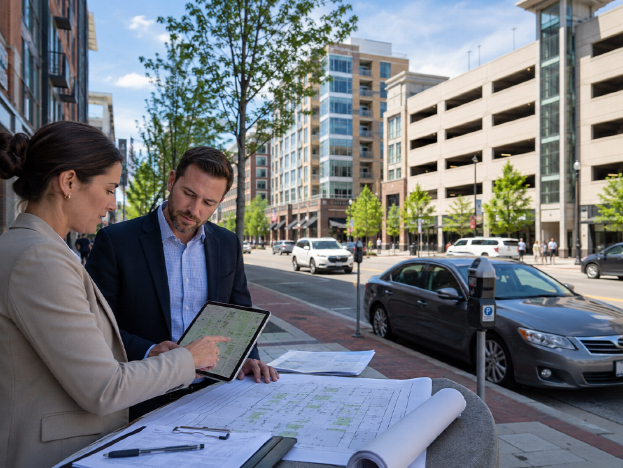
Modern urban growth has reshaped how communities function, commute, and connect. At the heart of this transformation lies the science of traffic engineering—often invisible, but always impactful. One essential service that ensures roads are not merely paved but planned, monitored, and optimized is traffic engineering. Traffic engineering does far more than regulate signals; it is intended to improve design, management, and policy of transportation systems to help ensure more efficient and safe travel. Let’s explore how communities benefit from thoughtful transportation planning and why two Florida counties, in particular, are taking a strategic approach to road safety and efficiency. What Do Traffic Engineers Actually Do? If you’ve ever waited at a red light too long or breezed through a well-timed green wave, you’ve already experienced the work of traffic engineers. But beyond the basics of light cycles and crosswalks, traffic engineering includes data collection, traffic counts, intersection analysis, signal timing, and congestion forecasting. It blends analytics with real-world applications to create systems that support safe, fluid mobility. It’s not about controlling traffic—it’s about guiding it intuitively. Planning for Growth and Safety in Florida’s Bustling Regions As cities and suburbs expand in Palm Beach County, there’s a growing need for more brilliant street design. With rising populations, pedestrian activity, and vehicle ownership, communities face increasing pressure to prioritize road safety without compromising on accessibility. This is where traffic engineering services in Pinellas County take a slightly different shape. Pinellas, with its dense coastal communities, needs a distinct focus on connectivity and coastal resilience. Roundabouts, transit corridor planning, and pedestrian-centric layouts often dominate projects in this region. It’s all about adapting traffic flow to fit diverse terrain and usage patterns. Both counties, while unique in their layout and challenges, rely heavily on data-backed strategies to make intersections safer, school zones more navigable, and high-speed roads less risky. More Than Signals: The Full Scope of Service Traffic engineering isn’t a plug-and-play solution. It’s a collaboration of site assessments, simulations, and compliance checks that evolve over time. From large-scale city planning initiatives to single-intersection reworks, professionals in this field offer: These services go beyond fixing today’s problems—they anticipate tomorrow’s needs. The Benefits Extend Beyond Commuters Though daily drivers may feel the impact of smart traffic flow the most, businesses, schools, and emergency services also benefit. Reducing congestion helps freight move more efficiently, improves air quality, and lowers the risk of road-related incidents. In places like Palm Beach and Pinellas Counties, where community dynamics are constantly evolving, these engineering insights play a critical role in public well-being. As development accelerates across Florida, integrating traffic strategy early in planning processes has proven to save resources—and lives. Where Expertise Meets Impact Every traffic system has a story. Whether it’s a quiet school zone or a four-lane commercial corridor, the goal is the same: make the journey smoother, safer, and smarter. That’s where MAPS comes in. Let’s Make the Road Ahead Clearer From traffic studies to design plans, we help translate transportation challenges into safe, efficient designs tailored to your region. Whether you’re developing a new site or looking to enhance public safety, we offer traffic engineering support rooted in thoughtful planning and real-world experience. Contact us today to start your project with trusted insight and proven traffic engineering solutions where we offer a dedicated suite of services to guide your community forward. Frequently Asked Questions Q1: What’s the difference between traffic engineering and transportation planning? Traffic engineering focuses on the technical design and operation of roadways—signals, lanes, and flow. Transportation planning, on the other hand, deals with broader policy and long-term infrastructure strategies. Q2: How long does a traffic impact study take? It depends on project size and location, but most studies can be completed in 2–6 weeks once all required data is gathered. Q3: Do I need traffic engineering services for a small development project? If your project could affect nearby intersections or road usage, local authorities may require a traffic study. It’s always best to consult early in the planning phase.
What Makes Traffic Engineering Services in Florida Vital for Smart Growth
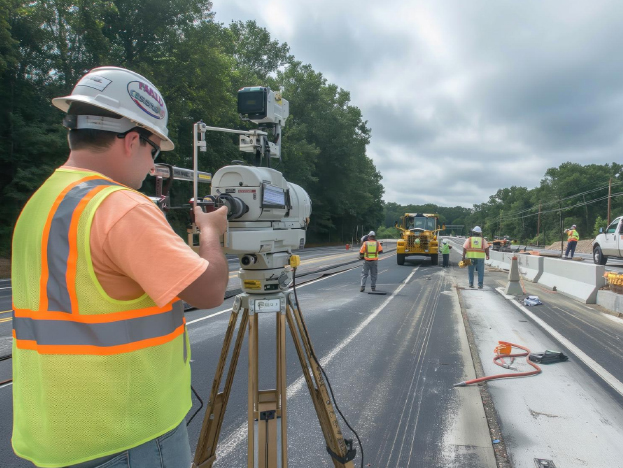
Urban areas across Florida are experiencing unprecedented growth. With rapid development comes the challenge of maintaining streets, highways, and parking systems as safe, efficient, and adaptable as possible to meet future needs. Cities cannot rely on outdated infrastructure when population growth, tourism, and economic activity continue to rise. Instead, they need specialized expertise that ensures transportation systems evolve in step with innovative growth strategies. It becomes clear that traffic engineering services in Florida are more than just design and technical assessments; they are a blueprint for safer communities and long-term mobility planning. From highways in fast-expanding suburban corridors to busy city streets in Miami, the role of a skilled traffic engineeris shaping the way people move, work, and live. Why Traffic Engineering Matters for Florida’s Growth Florida’s diverse transportation network spans highways, coastal routes, local roads, and urban centers. Without expert traffic studies, congestion, delays, and safety hazards could undermine growth. Traffic engineering ensures that developments, whether residential communities, commercial hubs, or mixed-use spaces, are supported by mobility systems designed for capacity, safety, and efficiency. Thoughtful planning begins with a traffic impact analysis, where experts measure the impact of new projects on surrounding roadways. Combined with traffic data collection and simulation, these studies offer insights into future conditions. For communities, this means fewer bottlenecks, safer intersections, and well-timed traffic signals that keep vehicles, cyclists, and pedestrians moving seamlessly. The Range of Traffic Engineering Services What sets Florida apart is its unique blend of fast-growing metropolitan hubs and quieter suburban developments. Each requires tailored mobility strategies. Key services include: These services not only improve traffic flow but also reduce environmental impacts and enhance quality of life for residents. Parking and Mobility: The Other Side of Traffic Engineering An often-overlooked component of mobility planning is parking. Florida’s vibrant cities and tourist attractions require efficient parking systems that strike a balance between convenience and sustainability. Parking studies, such as demand analysis, financial assessments, and right-sizing planning, help communities avoid costly overbuilding while still meeting user needs. Innovative approaches, including shared parking and Parksmart Certification, allow cities to design facilities that are future-ready, sustainable, and aligned with broader innovative growth initiatives. Mobility planning goes even further, incorporating complete streets design, wayfinding signage, curb lane management, and transit-oriented development to create balanced communities where every traveler has options. The Human-Centered Approach to Traffic Solutions Traffic engineering isn’t just about vehicles; it’s about people. Communities thrive when transportation systems consider all users, from drivers to cyclists to pedestrians. Practical engineering involves striking a balance between safety, convenience, and sustainability. At MAPS, we take this responsibility seriously. Our holistic approach integrates transportation design, parking planning, and mobility data to create tailored solutions that maximize existing infrastructure while preparing for future growth and development. By combining technical expertise with best practices in urban planning, we help communities thrive while ensuring safe, efficient, and enjoyable mobility experiences. The Role of Traffic Engineers in Miami’s Urban Future Miami’s rapid expansion highlights why localized expertise matters. As one of Florida’s busiest urban areas, Miami requires traffic engineering solutions that address dense populations, complex intersections, and diverse transportation demands. Working with a traffic engineering team ensures that every development, from high-rises to mixed-use centers, aligns with long-term transportation goals. By analyzing congestion patterns, simulating traffic scenarios, and designing sustainable mobility plans, engineers help the city maintain its role as a hub for business, tourism, and culture, all while supporting the safety and convenience of its residents. Conclusion: Smarter Growth Requires Smarter Planning Florida’s growth story is inextricably linked to its ability to manage traffic, parking, and mobility. Without forward-thinking strategies, congestion and inefficiencies could hinder development and reduce the quality of life. But with comprehensive traffic engineering services in Florida, supported by parking studies and mobility planning, communities can thrive sustainably. Whether it’s suburban developments or bustling downtown Miami, expert engineers provide the vision and solutions to make growth both innovative and sustainable. Partnering with experienced professionals ensures that today’s projects contribute to the creation of tomorrow’s livable cities. If you’re ready to improve transportation efficiency and mobility, contact us todayto analyze how we can design more innovative solutions for your community.