
How Do Traffic Engineering Services in Broward County Improve Road Safety and Flow?
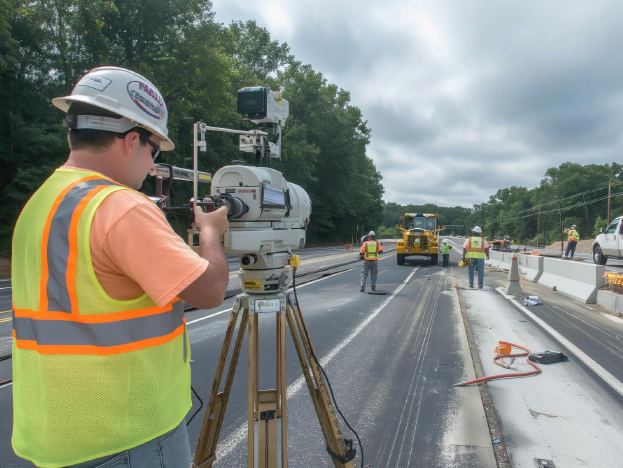
Why do traffic jams keep getting worse even when roads seem wide enough? And why do certain intersections always feel confusing or unsafe? These issues are common in fast-growing areas where traffic demand increases faster than planning. Simply adding more lanes does not always solve the problem. Instead, the real answer lies in understanding how traffic behaves and planning it better. This is exactly where traffic engineering plays a role. By using data and practical planning methods, traffic engineering services in Broward County help improve safety, reduce delays, and create smoother daily travel. To see how this works, let’s start with the basics. What Are Traffic Engineering Services and Why Do They Matter? In simple terms, traffic engineering focuses on how roads are used and how movement can be improved. It includes traffic studies, safety checks, and planning strategies that help roads function better. This becomes important because unmanaged traffic often leads to delays, confusion, and safety risks. For example, a poorly timed signal can slow down traffic for long periods. With proper analysis, these issues can be identified and fixed early. Once we understand their importance, the next step is to see how problems are actually identified. Finding the Real Cause Behind Traffic Issues At first glance, traffic problems may look random, but they usually follow clear patterns. Engineers collect data such as traffic volume, peak hour movement, and turning behavior. This helps them understand exactly where congestion begins and why it builds up. For instance, a busy commercial zone may attract heavy traffic during specific hours, putting pressure on nearby roads. By identifying these patterns early, traffic engineering services in Broward County help prevent small issues from becoming major disruptions. With the root cause clear, improving safety becomes the next focus. Traffic Engineering Services in Broward County for Safer Road Design Once problem areas are identified, the focus shifts to making roads safer. This involves reviewing intersections, lane design, and pedestrian crossings. Even small changes, such as adding a dedicated turn lane or improving signal visibility, can reduce accidents. In residential areas, traffic calming measures help control speed and improve safety for pedestrians. As a result, roads become safer and easier to use. After safety is addressed, improving traffic flow becomes the next logical step. Making Traffic Flow Better Without Expanding Roads In many areas, expanding roads is not practical. However, better planning can still improve how traffic moves. Engineers adjust signal timing, manage lane usage, and coordinate signals across intersections. These changes reduce unnecessary stops and improve travel time. For example, synchronized traffic lights can help vehicles move continuously instead of stopping at every junction. This is how traffic engineering services in Broward County improve flow without major construction. As movement becomes smoother, cities are better prepared to handle growth. Supporting Growth While Keeping Roads Functional As new developments come up, traffic demand naturally increases. Without proper planning, this can lead to congestion and delays. Traffic impact analysis helps predict how new projects will affect existing roads. Based on these insights, engineers suggest practical changes such as better access points or lane adjustments. This ensures that growth does not disrupt daily travel. When development is supported by proper planning, both businesses and communities benefit. With this in mind, let’s bring everything together. Conclusion Traffic challenges are not just about the number of vehicles on the road. They are often about how well those roads are planned and managed. With the right approach, it is possible to improve safety, reduce congestion, and create smoother travel for everyone. That is why traffic engineering continues to play an important role in shaping better road systems for the future. FAQs 1. What do traffic engineering services include? They include traffic studies, safety analysis, signal planning, and strategies to improve road performance. 2. How do traffic engineers identify congestion points? They analyze traffic data such as volume, timing, and movement patterns to find problem areas. 3. Who benefits from traffic engineering services? Drivers, pedestrians, businesses, and communities all benefit from safer and more efficient roads.
How Can a Traffic Engineering Consultant in Florida Help Prevent Costly Development Delays?

A single transportation issue discovered during development review can quickly affect access points, parking layouts, circulation, and construction timelines. Many teams only recognize this impact after revisions begin. Working with a traffic engineering consultant in Florida early in the planning process helps identify potential constraints before they influence design decisions and approval schedules. For developers and planners, transportation is more than a compliance step—it shapes how a project functions and how efficiently approvals move forward. Early coordination can clarify whether a traffic impact analysis, turn lane evaluation, or access adjustment may be required before those elements become difficult to change. How Transportation Issues Lead to Development Delays Delays are often caused by smaller unresolved issues rather than major roadway limitations. Trip generation estimates, driveway spacing, intersection performance, and pedestrian access may seem manageable at first but can affect multiple parts of a project. For example, adjusting a driveway can impact parking layout, internal circulation, and stormwater design. A turn lane requirement may influence frontage, utilities, and costs. When these issues are identified late, they often lead to additional review cycles and redesign. What Early Traffic Analysis Reveals About Your Project A traffic impact analysis goes beyond counting vehicles. It estimates how many trips a development will generate, where those trips will travel, and how they interact with nearby intersections. Trip generation defines expected demand, while trip distribution shows how traffic spreads across the network. Intersection performance analysis evaluates how efficiently vehicles move through key areas. Identifying concerns early allows teams to explore solutions before finalizing site plans. How Access and Turn Lane Planning Shapes Site Design Access management plays a critical role in development planning. Driveway placement, turning movements, and roadway conditions influence building orientation, parking flow, delivery routes, and pedestrian access. Turn lane evaluations are often part of this process. While turn lanes can improve safety and reduce delays, they are not required for every project. Their need depends on traffic volume, roadway characteristics, and agency criteria. Early evaluation helps teams make informed design decisions instead of reacting to late-stage requirements. Why Multimodal Planning Supports Faster Approvals Transportation planning includes more than vehicles. Pedestrian pathways, bicycle access, transit connections, and curb activity all affect how a site operates. Well-designed pedestrian routes improve safety and reduce conflicts, while organized curb space helps prevent congestion near entrances. These elements are often reviewed alongside traffic metrics, especially in mixed-use developments. Considering multiple modes early can strengthen project functionality and support smoother approvals. How MAPS Helps Reduce Development Uncertainty MAPS combines traffic engineering, parking planning, and mobility analysis into a coordinated approach. This helps development teams understand how transportation decisions affect overall site performance. With experience working across Florida municipalities and FDOT processes, MAPS helps identify likely study requirements and prepares technically supported documentation. While approvals cannot be guaranteed, early and well-prepared analysis helps teams respond to agency comments more efficiently and reduce unnecessary revisions. Conclusion: Plan Early to Avoid Costly Delays Transportation considerations influence site design, budgets, and approval timelines. By working with a traffic engineering consultant in Florida, development teams can identify issues early, evaluate practical solutions, and prepare for agency review with confidence. MAPS supports clients by integrating traffic, parking, and mobility planning into a clear strategy. Starting this process early helps reduce uncertainty, improve coordination, and keep projects moving forward efficiently. Common Questions About Traffic Engineering in Florida 1. When should a traffic engineering consultant be involved? Early involvement during concept planning or before finalizing access and parking is most effective. This allows transportation insights to guide design decisions. 2. Is a traffic impact analysis always required? Not always. Requirements vary by jurisdiction, project type, and size. A consultant can determine the appropriate level of analysis. 3. What information is needed to begin? Basic site plans, land use details, project size, access points, and timelines help engineers estimate trip generation and evaluate impacts.
Why Businesses and Developers Need Traffic Engineering Services in Palm Beach County

Getting a project approved in Palm Beach County takes more than a strong site plan. Businesses and developers also need a clear understanding of how a project will affect traffic flow, access, roadway safety, and nearby intersections. That is why Traffic Engineering Services in Palm Beach County play such an important role early in the development process. Traffic engineering helps teams identify transportation issues before they slow down approvals or lead to expensive design changes. In a market where growth, mobility, and public safety all matter, developers benefit from working with a consultant that can evaluate site impacts, support permitting needs, and help shape practical solutions. Better Planning Starts With Better Traffic Analysis One of the main reasons traffic engineering matters is that it helps developers make smarter decisions before a project reaches a critical review stage. A proposed commercial, mixed-use, residential, healthcare, or institutional project can increase vehicle trips, affect nearby intersections, change access conditions, and create new safety concerns. These issues are easier to manage when they are studied early rather than addressed after comments come back from reviewers. Palm Beach County’s traffic analysis guidance shows how seriously these reviews are taken. Applications for certain land use changes must include a finalized traffic study and a letter from the County Traffic Division, and the analysis must use recent data and review both near-term and long-range conditions. Why Businesses and Developers Need Early Technical Support For businesses and developers, timing matters. Delays in review can affect budgets, construction schedules, leasing, and overall project momentum. Traffic engineering helps reduce that risk by identifying likely concerns before they become formal objections. A solid traffic study can show whether nearby roads can support the development, whether turn lanes may be needed, whether access points will function properly, and whether additional safety or operational improvements should be considered. This gives the design team a stronger foundation and helps avoid late-stage revisions that can impact both cost and timelines. Supporting Smoother Reviews and Approvals Traffic-related comments are often some of the most important parts of the entitlement and permitting process. Review agencies want to know how a project will function within the surrounding roadway network and whether it creates issues that need mitigation. When the traffic analysis is incomplete, outdated, or unsupported, that can create setbacks that ripple through the rest of the approval process. Palm Beach County specifically requires applicants to use the most recent available data and submit traffic study materials to both Planning and Traffic divisions during the review process. That makes accuracy and coordination essential. This is where traffic engineering services in Palm Beach County add real value. A well-prepared study does not just respond to requirements. It helps present a project clearly, answer reviewer concerns more effectively, and improve the chances of a more efficient review cycle. Improving Access, Safety, and Site Functionality Good traffic engineering also improves how a site works once it is built. Access design, turn lane needs, signal review, safety analysis, and circulation planning all affect daily operations. These details influence how easily customers, employees, residents, delivery vehicles, and emergency responders can move in and out of a property. That is especially important for projects located on busy corridors or near schools, hospitals, shopping areas, and growing mixed-use districts. A site may be approved on paper, but poor access planning can still create congestion and safety issues after opening. Traffic engineering helps prevent that by looking at both current conditions and future operations. MAPS Engineering’s listed services reflect that broader role. In addition to impact analysis, the firm offers safety analysis, speed studies, traffic calming plans, simulation, and Maintenance of Traffic planning, all of which support better roadway performance and site usability. Conclusion Traffic engineering is not something businesses and developers should leave until the end of the process. It is one of the most important parts of planning a project that works well, gains approval more smoothly, and performs safely after construction. By using traffic engineering services in Palm Beach County early, project teams can better understand traffic impacts, improve access and circulation, strengthen review submissions, and reduce the risk of costly revisions later on. With services that span traffic, parking, and mobility planning, MAPS Engineering is positioned to support that process in a way that is practical, technical, and closely aligned with real project needs. Here are 5 concise and relevant FAQs with answers: FAQs 1. What do traffic engineering services include? Traffic engineering services typically include traffic impact studies, traffic data analysis, turn lane reviews, signal warrant analysis, speed studies, safety analysis, and Maintenance of Traffic planning. 2. Why are traffic engineering services important for developers? They help developers understand how a project will affect surrounding roads, support smoother approvals, and reduce the risk of costly design changes later. 3. When is a traffic impact study needed? A traffic impact study is often needed when a proposed development is expected to generate enough traffic to affect nearby roads, intersections, or access points. 4. How do traffic engineering services improve site safety? They help identify traffic flow issues, access concerns, turning conflicts, and roadway safety risks so they can be addressed before and after development. 5. Can traffic engineering services help during construction? Yes. They can support construction-phase traffic control through Maintenance of Traffic plans that help manage roadway safety and minimize disruption.
How Can Expert Traffic Engineering and Parking Planning Shape Safer, Smarter Communities?

Growing communities and expanding developments require thoughtful transportation strategies that align with safety and long-term functionality. Through comprehensive mobility planning services, projects can achieve efficient traffic flow, improved site access, and sustainable infrastructure integration. Maps Engineering specializes in professional traffic engineering and parking planning services for residential, commercial, educational, health care, and municipal sectors. By leveraging advanced software, professional resources, and decades of experience, tailored solutions are delivered to meet the unique needs of each project. Comprehensive Traffic Engineering for Diverse Projects Traffic engineering plays a critical role in ensuring that developments operate safely and efficiently within existing transportation networks. Maps Engineering provides detailed Traffic Impact Analyses (TIA) to evaluate how proposed projects influence surrounding roadways and intersections. These analyses assess projected traffic volumes, intersection performance, and potential improvements needed to maintain acceptable levels of service. In addition to Traffic Impact Analyses, services include intersection evaluations, signal warrant analyses, and coordination with local agencies. Each project is approached with careful attention to regulatory requirements and community impact. The objective is to enhance roadway safety, minimize congestion, and ensure that new developments integrate seamlessly into the existing transportation system. With extensive experience across various sectors, transportation challenges are addressed with practical and forward-thinking strategies that promote both operational efficiency and public safety. Strategic Parking Planning for Functional and Sustainable Design Effective parking planning is essential for maximizing site usability and supporting positive user experiences. Comprehensive Parking Studies are conducted to determine appropriate parking supply, layout efficiency, and circulation patterns. These evaluations consider land use, projected demand, and site-specific conditions to create balanced and functional parking solutions. For educational institutions, tailored university parking solutions address campus-specific mobility challenges. From managing peak-hour traffic to enhancing pedestrian access and safety, parking strategies are developed to align with institutional needs and long-term campus planning goals. Across residential communities, commercial centers, health care facilities, and municipal developments, parking design focuses on accessibility, internal traffic flow, and overall site efficiency. Sustainable considerations are integrated to support responsible land use and improved mobility outcomes. Advanced Tools, Proven Experience, and Sustainable Outcomes Modern traffic engineering requires more than standard calculations. Maps Engineering utilizes advanced software tools to model traffic conditions, analyze intersection performance, and forecast future transportation demands. These resources enhance accuracy and provide data-driven insights that support informed decision-making. Decades of professional experience contribute to a deep understanding of permitting processes, design standards, and municipal coordination. Each project benefits from practical expertise combined with innovative planning methods. By integrating technical precision with thoughtful design, comprehensive mobility planning services help create safer roadways, efficient parking systems, and transportation networks that support community growth and sustainability. Frequently Asked Questions (FAQs) 1. What is a Traffic Impact Analysis (TIA)? A Traffic Impact Analysis evaluates how a proposed development will affect nearby roadways and intersections, identifying necessary improvements to maintain safe and efficient traffic flow. 2. Why are Parking Studies important for new developments? Parking Studies determine appropriate parking supply and layout design to prevent congestion, improve circulation, and enhance overall site functionality. 3. How do traffic engineering services benefit municipal projects? Traffic engineering services help municipalities manage roadway performance, improve safety, and ensure developments align with transportation regulations and community planning goals. 4. What makes university parking solutions unique? University parking solutions address fluctuating campus demand, pedestrian safety, access management, and coordination with broader campus mobility planning strategies. Disclaimer: This content is for informational purposes only and does not constitute professional engineering advice. For project-specific recommendations or technical guidance, consultation with a qualified traffic engineering professional is recommended.
What Are the Most Reliable Traffic Engineering Services in Miami-Dade County for Safe and Efficient Road Planning?
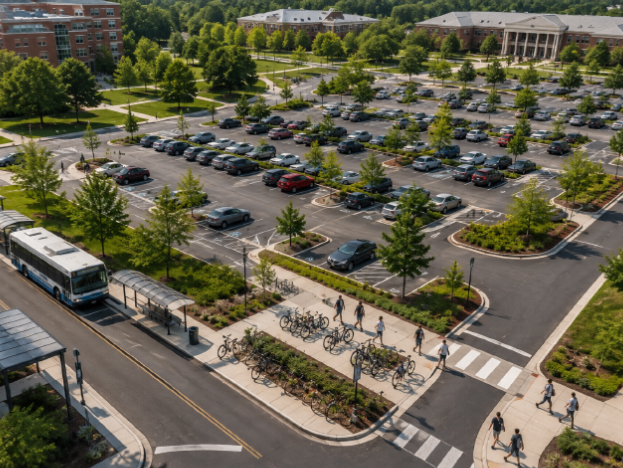
Planning safe and efficient roads is no easy task. Communities in Miami-Dade County are growing rapidly, creating higher traffic volumes and increasing demand for smarter road design. Residents, developers, and local authorities all need dependable solutions that improve safety, manage congestion, and support long-term growth. This is where professional Traffic Engineering Services come into play, helping communities plan roads, intersections, and traffic flow with precision and care. Reliable traffic engineering goes beyond simple road layouts. It involves studying current traffic patterns, analyzing vehicle counts, evaluating safety risks, and designing solutions that keep everyone moving smoothly. For example, a well-designed turn lane or signal adjustment can significantly reduce congestion and accidents in busy areas. When planners combine local knowledge with technical expertise, the results benefit both drivers and pedestrians. Comprehensive Traffic Analysis for Safer Roads A key step in effective traffic management is Traffic Impact Analysis. Experts evaluate how new developments or road changes affect traffic flow, ensuring roads remain safe and efficient. Traffic Engineering Services also use advanced simulations to predict traffic behavior during peak hours. This allows planners to recommend practical solutions, such as adjusting signal timings, adding turn lanes, or redesigning intersections for smoother movement. With careful analysis, cities can prevent bottlenecks and improve commute times for residents. Traffic data collection is equally important. Planners use real-time vehicle counts, speed studies, and accident records to understand problem areas. This information forms the backbone of safety analysis and traffic calming plans. By addressing trouble spots early, communities reduce accidents and provide a better experience for drivers, cyclists, and pedestrians alike. Parking and Mobility Planning: A Complete Approach Modern traffic engineering goes hand in hand with parking and mobility planning. Parking demand analysis and shared parking studies help urban areas optimize space and reduce unnecessary congestion. For example, mixed-use developments can benefit from shared parking solutions that allow office workers and shoppers to use spaces at different times. These approaches not only improve traffic flow but also make communities more walkable and accessible. Additionally, mobility planning services such as curb lane management, wayfinding signage, and transit-oriented development ensure that all users—drivers, pedestrians, and public transport riders, experience a safe and convenient environment. Integrating these services with traffic engineering provides a holistic solution for growing communities. Tips for Choosing the Right Traffic Engineering Services When looking for reliable Traffic Engineering Services, consider firms that offer comprehensive solutions, including traffic analysis, signal warrant studies, safety planning, and parking evaluation. Experience in local regulations and hands-on knowledge of area traffic patterns is essential. Similarly, for projects in Pinellas County, partnering with experts familiar with local conditions ensures accurate recommendations and practical solutions. Transparency, data-driven planning, and clear communication are key qualities of successful traffic engineering services. Communities benefit when planners not only design efficient systems but also educate residents and stakeholders about the changes. This approach builds trust and promotes smoother implementation of new traffic solutions. Conclusion Efficient and safe roads are the foundation of thriving communities. Professional traffic engineering services in Miami-Dade County and Pinellas County combine careful analysis, practical design, and forward-looking planning to manage growth and enhance safety. By choosing the right experts, cities can reduce congestion, prevent accidents, and create a better quality of life for residents. Are your community roads prepared for the future traffic demands? Proper planning today ensures safer and smoother travel tomorrow. FAQs Q1. What do Traffic Engineering Services in Miami-Dade County include? They include traffic impact analysis, traffic data collection, signal warrant studies, turn lane and speed analysis, safety planning, and traffic calming plans to manage congestion and improve road safety. Q2. How can Traffic Engineering Services in Pinellas County help reduce accidents? By using data-driven safety analysis, traffic simulations, and well-designed intersection and lane adjustments, these services minimize high-risk situations and improve traffic flow. Q3. Why is parking planning important for traffic management? Parking demand analysis and shared parking studies reduce congestion, optimize space use, and improve accessibility in busy urban and mixed-use areas. Q4. How do mobility planning services complement traffic engineering? Services like curb lane management, wayfinding signage, and transit-oriented development ensure that drivers, pedestrians, and public transport users can navigate safely and efficiently. Q5. What should communities look for in reliable traffic engineering services? Look for firms with local experience, comprehensive service offerings, clear communication, data-driven solutions, and a focus on safety and efficiency.
Five Positive and Negative Issues to Consider with Traffic Calming Strategies
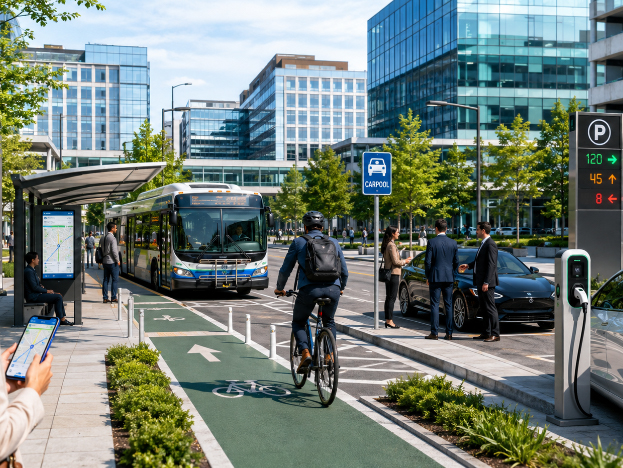
Five Positive Issues to Consider: Enhanced Pedestrian Safety One of the primary goals of traffic calming measures is to improve pedestrian safety. Tools like speed humps, raised crosswalks, and curb extensions slow down traffic, making it safer for pedestrians to cross streets. These measures create more pedestrian-friendly environments, particularly in school zones and residential areas. Effectiveness: Raised crosswalks, for example, increase driver awareness and encourage lower speeds, significantly reducing the likelihood of pedestrian accidents. Reduction in Vehicle Speeds Speed is a critical factor in accidents, and traffic calming strategies can effectively control it. Techniques like speed cushions, roundabouts, and chicanes cause drivers to naturally reduce their speed, leading to fewer accidents and less severe injuries. Effectiveness: According to studies, vehicle speeds have decreased by 10-15% in areas with effective traffic calming measures, contributing to safer neighborhoods. Lower Traffic Volumes Many traffic calming strategies, such as road narrowing and the introduction of one-way streets, can reduce the overall volume of traffic in a given area. By making certain routes less convenient for through traffic, these measures encourage drivers to use major arterial roads instead. Effectiveness: This can lead to a more peaceful atmosphere in residential zones and reduce congestion in the local area. Noise and Air Pollution Reduction Certain types of traffic calming strategies (i.e. chicane, choker, bumpout, and traffic circle) allow for slower and smoother traffic which can lead to lower noise levels and reduced vehicle emissions. The stop-and-go nature of speeding traffic, especially on residential streets, often leads to higher levels of noise and pollution. Traffic calming strategies can mitigate this by promoting a steady flow of vehicles at lower speeds. Effectiveness: This is particularly beneficial in urban settings, where air quality and noise pollution are serious concerns. However, some traffic calming strategies (i.e. speed hump, speed cushion, and speed table) can cause increased noise due to vehicle braking and accelerating. Improved Livability and Community Well-being Implementing traffic calming strategies often improves the overall livability of neighborhoods. With quieter, safer streets, people feel more comfortable walking, biking, and socializing outdoors. This creates a greater sense of community and encourages a healthier, more active lifestyle. Effectiveness: Studies have shown that well-implemented traffic calming measures can lead to increased physical activity, improved mental well-being, and higher property values. Five Negative Issues to Consider: Emergency Vehicle Delays One of the significant drawbacks of traffic calming strategies is their potential to delay emergency vehicles. Speed humps, traffic circles, and other physical measures may slow down response times for ambulances, fire trucks, and police vehicles, which can have critical consequences in emergencies. Impact: Studies have found that certain traffic calming measures can increase response times by up to 10-15 seconds per obstacle, which, in life-threatening situations, could be significant. Pedestrian and Large Vehicle Impacts A roundabout can make crossing a street less convenient for pedestrians compared to stop signs or traffic lights. Traffic circles can cause issues for large vehicles such as trucks and transit buses to navigate based on the turning radius design constraints. Impact: May cause pedestrians to cross a roundabout dangerously to avoid the longer route. Buses and trucks may need to be rerouted if they are unable to traverse a traffic circle. Transit and freight routes should be considered along with design constraints for traffic circles or mini roundabouts. Design Constraints There may be design constraints regarding available space, driveways, on-street parking, lighting, and drainage that need to be considered. The type of roadway needs to be considered as some measures are only appropriate for local residential streets. Also, if the street is used for transit, emergency, and commercial access some measures are not applicable. Impact: The type of roadway, design constraints, and users need to be considered when determining which, if any, of the traffic calming strategies are appropriate and will be effective. Community Opposition Not all residents are on board with traffic calming measures. Some drivers feel inconvenienced by road changes and oppose the perceived intrusion of speed humps, road narrowing, or road diets. Furthermore, residents may argue about the placement of certain measures, creating conflicts between different interest groups. Impact: Public backlash can delay or block the implementation of traffic calming projects, especially if the community is not adequately involved in the planning process. High Implementation and Maintenance Costs Implementing traffic calming strategies can be expensive, both in initial costs and ongoing maintenance. Installing physical barriers like raised crosswalks, traffic circles, or speed humps requires significant upfront investment. Over time, maintenance of these measures can add further financial burdens on local municipalities. Impact: These high costs often force cities to prioritize which neighborhoods benefit from traffic calming, leaving others without needed safety improvements. Conclusion Traffic calming strategies play a vital role in enhancing road safety and livability in urban and suburban environments. While they bring numerous benefits such as improved pedestrian safety, reduced traffic speeds, and lower pollution, they also present challenges like increased emergency response times, design constraints, and potential community opposition. Finding the right balance and addressing these challenges with careful planning and community involvement is essential for the success of traffic calming initiatives.
How a Traffic Engineer in Florida Uses Data to Improve Safety and Mobility
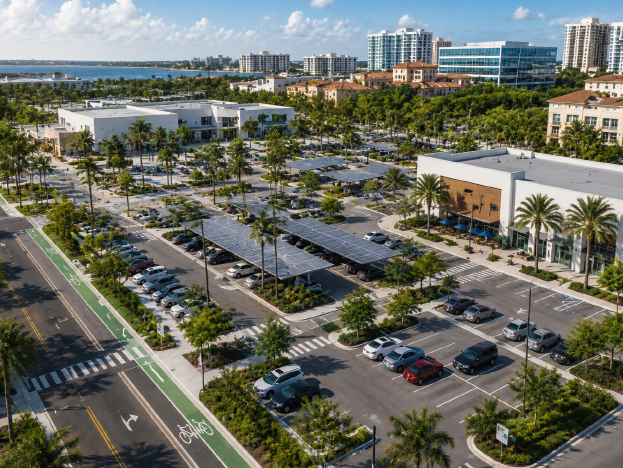
Before a new development breaks ground, before a municipality invests in roadway improvements, and before community leaders respond to concerns about congestion or speeding, one thing becomes clear: transportation decisions are only as strong as the information behind them. In Florida’s rapidly growing communities, accurate data helps decision-makers understand existing conditions, anticipate future needs, and create safer, more efficient transportation systems. A comprehensive traffic study in Florida provides the foundation for these decisions, while an experienced traffic engineer in Florida translates that data into practical recommendations that support safety, mobility, and long-term planning. Growth can be exciting, but it also brings challenges. More homes, businesses, schools, and healthcare facilities often mean more vehicles, more pedestrians, and increased pressure on existing infrastructure. Without reliable data, transportation planning can become reactive instead of proactive. For municipal leaders, developers, and community organizations looking to make informed transportation decisions, partnering with a data-driven engineering team can provide clarity long before concerns become costly problems. MAPS Engineering helps clients across Florida transform transportation data into practical solutions that support approvals, improve mobility, and enhance public safety. Why Data Matters in Traffic Engineering Traffic engineering is often misunderstood as simply counting cars. In reality, it is about understanding how people, vehicles, cyclists, transit users, and pedestrians interact within a transportation network. Data helps remove guesswork from decision-making. Instead of relying on assumptions, engineers collect measurable information that reveals how roads and intersections are performing. This information allows communities to identify risks, forecast future conditions, and evaluate potential improvements before implementing costly changes. For example, a busy intersection may appear to function adequately during midday hours. However, peak-hour data might reveal long vehicle queues, excessive delays, or turning conflicts that create safety concerns. Without collecting and analyzing traffic data, these issues can remain hidden until they become more serious. This is why municipalities, developers, and community organizations increasingly rely on transportation studies to guide planning decisions. What Data Is Collected During a Traffic Study? A well-executed traffic study in Florida involves much more than vehicle counts. Engineers gather multiple types of information to develop a complete picture of transportation conditions. Common data collection efforts include: Each data set tells part of the story. Traffic volume counts show how many vehicles use a roadway. Turning movement counts reveal where vehicles are entering and exiting intersections. Speed studies help determine whether vehicle speeds align with roadway conditions. Crash history reviews identify recurring safety patterns that may require attention. Most importantly, these data points work together. A single number rarely explains a transportation challenge. Engineers compare multiple sources of information to understand how a roadway truly functions. How Engineers Turn Data Into Safer Roads Collecting information is only the first step. The real value comes from interpretation. An experienced traffic engineer in Florida uses traffic data to identify patterns that may indicate safety concerns. These concerns can include speeding behavior, crash trends, poor visibility, access conflicts, pedestrian risks, or operational deficiencies at intersections. Consider a common scenario. A municipality receives repeated complaints about speeding near a school zone. Residents believe traffic calming measures are necessary. Rather than making immediate changes based solely on public perception, engineers conduct a speed study and analyze crash history. Sometimes the data confirms the concern and supports improvements such as enhanced signage, roadway modifications, or traffic calming strategies. Other times, the data reveals a different issue entirely, such as visibility limitations or intersection conflicts. This approach ensures that solutions address actual conditions rather than assumptions. The Role of Technology in Modern Traffic Analysis Today’s transportation systems generate more information than ever before, and modern technology helps engineers make sense of it. Advanced traffic analysis often incorporates: Traffic simulation is particularly valuable. Rather than waiting for a roadway improvement to be built, engineers can model different scenarios digitally. They can evaluate how a new turn lane, signal adjustment, access modification, or development project may affect traffic operations before construction begins. This allows decision-makers to compare options and identify the most effective solution with greater confidence. However, technology has limitations. Simulation tools and forecasting models are only as reliable as the data that supports them. Engineering judgment remains essential. The best outcomes occur when technology is combined with local expertise and field experience. How Traffic Projections Support Better Planning One of the most important responsibilities of a traffic engineer is helping clients understand future conditions. Transportation systems must be planned not only for today’s traffic but also for tomorrow’s growth. Traffic projections use current traffic counts, development activity, trip generation data, regional growth trends, and accepted engineering methodologies to estimate future travel demand. For developers, this information helps determine whether roadway improvements may be necessary to support a project. For municipalities, projections help prioritize infrastructure investments and identify future capacity needs. For community organizations, projections provide insight into how proposed developments may affect local mobility. It is important to be realistic, however. Traffic projections are not crystal balls. They are based on available information and reasonable assumptions. Unexpected changes in development patterns, economic conditions, or travel behavior can influence actual outcomes. Still, when performed correctly, projections provide valuable guidance for planning and decision-making. A Real-World Example of Data-Driven Decision Making Imagine a proposed mixed-use development near a growing suburban corridor in South Florida. Initial concerns focus on whether additional traffic will overwhelm nearby intersections during peak commuting hours. Residents worry about congestion. Local officials want to understand potential impacts before granting approvals. Engineers begin by collecting turning movement counts, traffic volumes, speed data, and intersection delay information. They then evaluate future traffic conditions using traffic simulation and forecasting tools. The analysis reveals that the development itself is not the primary issue. Instead, a nearby intersection experiences operational challenges due to inefficient signal timing. Rather than requiring costly roadway widening, engineers recommend signal timing improvements and targeted access modifications. The result? Traffic flow improves, delays decrease, project approvals move forward, and public concerns are addressed using objective data. This is a perfect example of why transportation planning works
What Does a Traffic Engineering Company Actually Do for Commercial and Residential Projects?
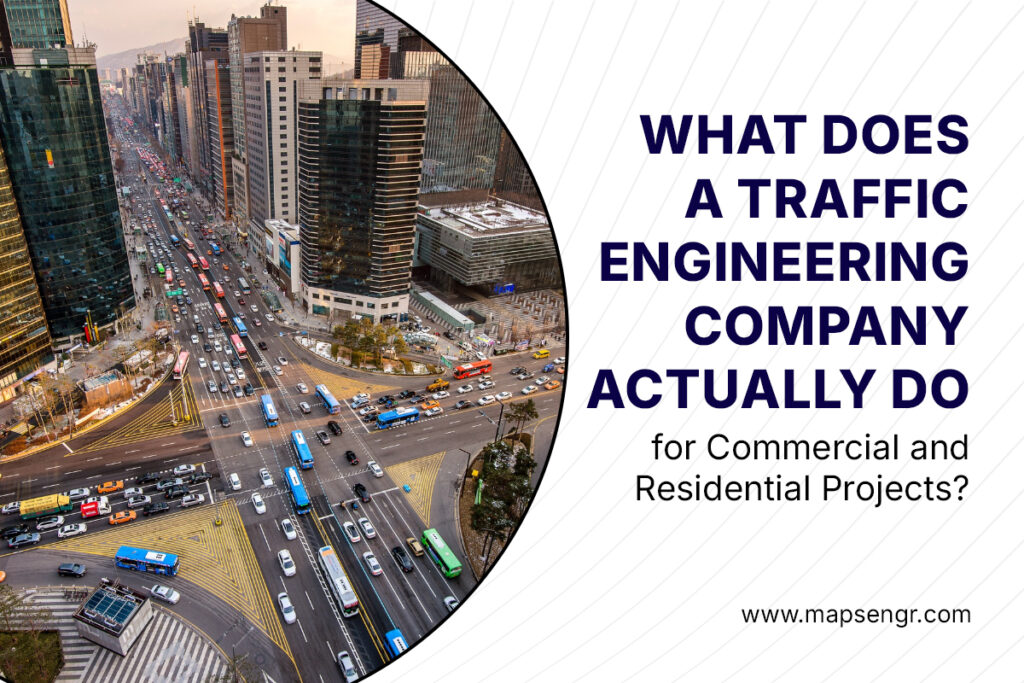
Growth brings new buildings, more cars, and higher demand for safe roads. This is where a Traffic Engineering Company plays an important role. These professionals study how traffic moves and how new projects affect roads, parking, and safety. They help developers, communities, and property owners make better decisions before construction begins. This early planning helps avoid future traffic problems, so projects can move forward with confidence. They also focus on safety and efficiency for everyone. Their work supports drivers, pedestrians, and communities by improving how transportation systems function. As a result, projects become more organized and easier to manage, which creates a strong base for the next step. How do Traffic Studies Help Commercial and Residential Projects? Traffic engineers conduct detailed studies to understand current traffic and predict future conditions. They prepare a Traffic Impact Analysis to see how a new building or residential development will affect nearby roads. This helps identify problems early and allows planners to make improvements before issues appear. Because of this, developers can meet requirements and get approvals/permits more smoothly. They also create traffic calming plans and transportation studies. These plans help make streets safer and easier to use. For example, residential communities benefit from safer and more pedestrian-friendly roads. Commercial projects benefit from better access and smoother vehicle flow. This process helps projects serve users better, which leads to the next important area of planning. Why Parking Planning Matters for Project Success? Parking is a key part of both commercial and residential developments. Engineers/Planners conduct parking demand analyses to understand how much parking a project needs. They also perform shared parking analyses to use spaces more efficiently, and maximize the development potential of a site. This reduces wasted space and improves convenience for users, which improves the overall experience. In busy areas, a Downtown Parking Study helps evaluate existing parking and identify ways to improve it. This type of study helps reduce frustration and improve access for visitors and businesses. It also supports better planning for future growth. When parking works well, people feel more comfortable using the space, which naturally connects to mobility planning. Improving Mobility and Supporting All Road Users Mobility planning focuses on making transportation work for everyone. A Traffic Engineering Companystudies how streets, parking, and transportation systems work together. They create mobility studies and curb lane management plans to improve efficiency and safety. This helps balance the needs of drivers, pedestrians, loading/deliveries, and communities. They also develop solutions based on each project’s unique needs. They study the area, understand users, and create plans that people can easily follow. Their goal is to improve transportation systems and support better movement. This approach helps projects operate smoothly, which prepares them for long-term success. Supporting Project Approvals and Long-Term Performance Traffic engineers also help projects meet regulatory and agency requirements. They understand approval processes and prepare the right studies and plans. This helps avoid delays and keeps projects on schedule. Their experience working with municipalities, counties, and agencies makes this process more efficient. They also focus on sustainability and efficiency. Their plans improve transportation systems and enhance the user experience. Because of this, both commercial and residential projects perform better over time. This professional support helps clients achieve their goals, which brings everything together in the final outcome. Conclusion Traffic and parking planning are essential parts of successful development. A professional team studies traffic, parking, and mobility to improve safety, efficiency, and user experience. Their work helps projects get approved, operate smoothly, and serve communities better. From traffic studies to parking analysis and mobility planning, their services support both commercial and residential projects. This complete approach ensures transportation systems work well today and in the future. FAQs Q1. Why should I hire a Traffic Engineering Company in Florida for my project?They conduct traffic and parking studies to improve safety and efficiency and to help projects get approved. Q2. What is the purpose of a Downtown Parking Study?It evaluates parking conditions and helps improve access, efficiency, and overall parking experience. Q3. How do traffic studies help residential developments?They identify traffic impacts and help create safer and more efficient transportation systems. Q4. Do traffic engineers help commercial projects?Yes, they prepare studies and plans that improve access, parking, and transportation efficiency for commercial areas.
How Can a Traffic Engineer Help Your Community?
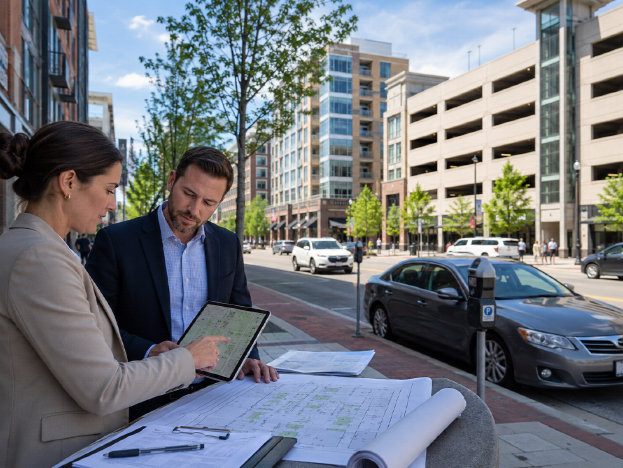
Modern urban growth has reshaped how communities function, commute, and connect. At the heart of this transformation lies the science of traffic engineering—often invisible, but always impactful. One essential service that ensures roads are not merely paved but planned, monitored, and optimized is traffic engineering. Traffic engineering does far more than regulate signals; it is intended to improve design, management, and policy of transportation systems to help ensure more efficient and safe travel. Let’s explore how communities benefit from thoughtful transportation planning and why two Florida counties, in particular, are taking a strategic approach to road safety and efficiency. What Do Traffic Engineers Actually Do? If you’ve ever waited at a red light too long or breezed through a well-timed green wave, you’ve already experienced the work of traffic engineers. But beyond the basics of light cycles and crosswalks, traffic engineering includes data collection, traffic counts, intersection analysis, signal timing, and congestion forecasting. It blends analytics with real-world applications to create systems that support safe, fluid mobility. It’s not about controlling traffic—it’s about guiding it intuitively. Planning for Growth and Safety in Florida’s Bustling Regions As cities and suburbs expand in Palm Beach County, there’s a growing need for more brilliant street design. With rising populations, pedestrian activity, and vehicle ownership, communities face increasing pressure to prioritize road safety without compromising on accessibility. This is where traffic engineering services in Pinellas County take a slightly different shape. Pinellas, with its dense coastal communities, needs a distinct focus on connectivity and coastal resilience. Roundabouts, transit corridor planning, and pedestrian-centric layouts often dominate projects in this region. It’s all about adapting traffic flow to fit diverse terrain and usage patterns. Both counties, while unique in their layout and challenges, rely heavily on data-backed strategies to make intersections safer, school zones more navigable, and high-speed roads less risky. More Than Signals: The Full Scope of Service Traffic engineering isn’t a plug-and-play solution. It’s a collaboration of site assessments, simulations, and compliance checks that evolve over time. From large-scale city planning initiatives to single-intersection reworks, professionals in this field offer: These services go beyond fixing today’s problems—they anticipate tomorrow’s needs. The Benefits Extend Beyond Commuters Though daily drivers may feel the impact of smart traffic flow the most, businesses, schools, and emergency services also benefit. Reducing congestion helps freight move more efficiently, improves air quality, and lowers the risk of road-related incidents. In places like Palm Beach and Pinellas Counties, where community dynamics are constantly evolving, these engineering insights play a critical role in public well-being. As development accelerates across Florida, integrating traffic strategy early in planning processes has proven to save resources—and lives. Where Expertise Meets Impact Every traffic system has a story. Whether it’s a quiet school zone or a four-lane commercial corridor, the goal is the same: make the journey smoother, safer, and smarter. That’s where MAPS comes in. Let’s Make the Road Ahead Clearer From traffic studies to design plans, we help translate transportation challenges into safe, efficient designs tailored to your region. Whether you’re developing a new site or looking to enhance public safety, we offer traffic engineering support rooted in thoughtful planning and real-world experience. Contact us today to start your project with trusted insight and proven traffic engineering solutions where we offer a dedicated suite of services to guide your community forward. Frequently Asked Questions Q1: What’s the difference between traffic engineering and transportation planning? Traffic engineering focuses on the technical design and operation of roadways—signals, lanes, and flow. Transportation planning, on the other hand, deals with broader policy and long-term infrastructure strategies. Q2: How long does a traffic impact study take? It depends on project size and location, but most studies can be completed in 2–6 weeks once all required data is gathered. Q3: Do I need traffic engineering services for a small development project? If your project could affect nearby intersections or road usage, local authorities may require a traffic study. It’s always best to consult early in the planning phase.
What Makes Traffic Engineering Services in Florida Vital for Smart Growth
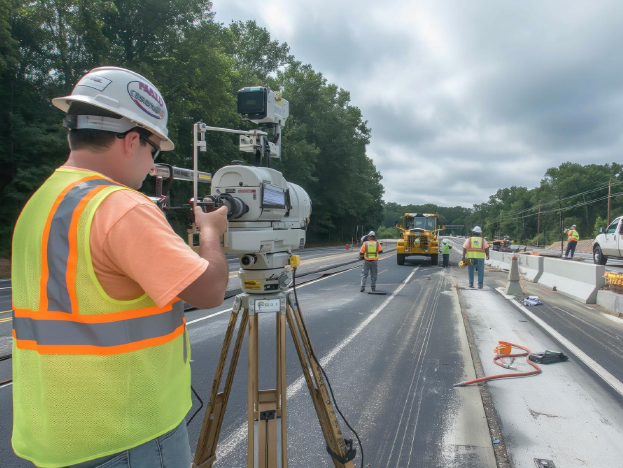
Urban areas across Florida are experiencing unprecedented growth. With rapid development comes the challenge of maintaining streets, highways, and parking systems as safe, efficient, and adaptable as possible to meet future needs. Cities cannot rely on outdated infrastructure when population growth, tourism, and economic activity continue to rise. Instead, they need specialized expertise that ensures transportation systems evolve in step with innovative growth strategies. It becomes clear that traffic engineering services in Florida are more than just design and technical assessments; they are a blueprint for safer communities and long-term mobility planning. From highways in fast-expanding suburban corridors to busy city streets in Miami, the role of a skilled traffic engineeris shaping the way people move, work, and live. Why Traffic Engineering Matters for Florida’s Growth Florida’s diverse transportation network spans highways, coastal routes, local roads, and urban centers. Without expert traffic studies, congestion, delays, and safety hazards could undermine growth. Traffic engineering ensures that developments, whether residential communities, commercial hubs, or mixed-use spaces, are supported by mobility systems designed for capacity, safety, and efficiency. Thoughtful planning begins with a traffic impact analysis, where experts measure the impact of new projects on surrounding roadways. Combined with traffic data collection and simulation, these studies offer insights into future conditions. For communities, this means fewer bottlenecks, safer intersections, and well-timed traffic signals that keep vehicles, cyclists, and pedestrians moving seamlessly. The Range of Traffic Engineering Services What sets Florida apart is its unique blend of fast-growing metropolitan hubs and quieter suburban developments. Each requires tailored mobility strategies. Key services include: These services not only improve traffic flow but also reduce environmental impacts and enhance quality of life for residents. Parking and Mobility: The Other Side of Traffic Engineering An often-overlooked component of mobility planning is parking. Florida’s vibrant cities and tourist attractions require efficient parking systems that strike a balance between convenience and sustainability. Parking studies, such as demand analysis, financial assessments, and right-sizing planning, help communities avoid costly overbuilding while still meeting user needs. Innovative approaches, including shared parking and Parksmart Certification, allow cities to design facilities that are future-ready, sustainable, and aligned with broader innovative growth initiatives. Mobility planning goes even further, incorporating complete streets design, wayfinding signage, curb lane management, and transit-oriented development to create balanced communities where every traveler has options. The Human-Centered Approach to Traffic Solutions Traffic engineering isn’t just about vehicles; it’s about people. Communities thrive when transportation systems consider all users, from drivers to cyclists to pedestrians. Practical engineering involves striking a balance between safety, convenience, and sustainability. At MAPS, we take this responsibility seriously. Our holistic approach integrates transportation design, parking planning, and mobility data to create tailored solutions that maximize existing infrastructure while preparing for future growth and development. By combining technical expertise with best practices in urban planning, we help communities thrive while ensuring safe, efficient, and enjoyable mobility experiences. The Role of Traffic Engineers in Miami’s Urban Future Miami’s rapid expansion highlights why localized expertise matters. As one of Florida’s busiest urban areas, Miami requires traffic engineering solutions that address dense populations, complex intersections, and diverse transportation demands. Working with a traffic engineering team ensures that every development, from high-rises to mixed-use centers, aligns with long-term transportation goals. By analyzing congestion patterns, simulating traffic scenarios, and designing sustainable mobility plans, engineers help the city maintain its role as a hub for business, tourism, and culture, all while supporting the safety and convenience of its residents. Conclusion: Smarter Growth Requires Smarter Planning Florida’s growth story is inextricably linked to its ability to manage traffic, parking, and mobility. Without forward-thinking strategies, congestion and inefficiencies could hinder development and reduce the quality of life. But with comprehensive traffic engineering services in Florida, supported by parking studies and mobility planning, communities can thrive sustainably. Whether it’s suburban developments or bustling downtown Miami, expert engineers provide the vision and solutions to make growth both innovative and sustainable. Partnering with experienced professionals ensures that today’s projects contribute to the creation of tomorrow’s livable cities. If you’re ready to improve transportation efficiency and mobility, contact us todayto analyze how we can design more innovative solutions for your community.