
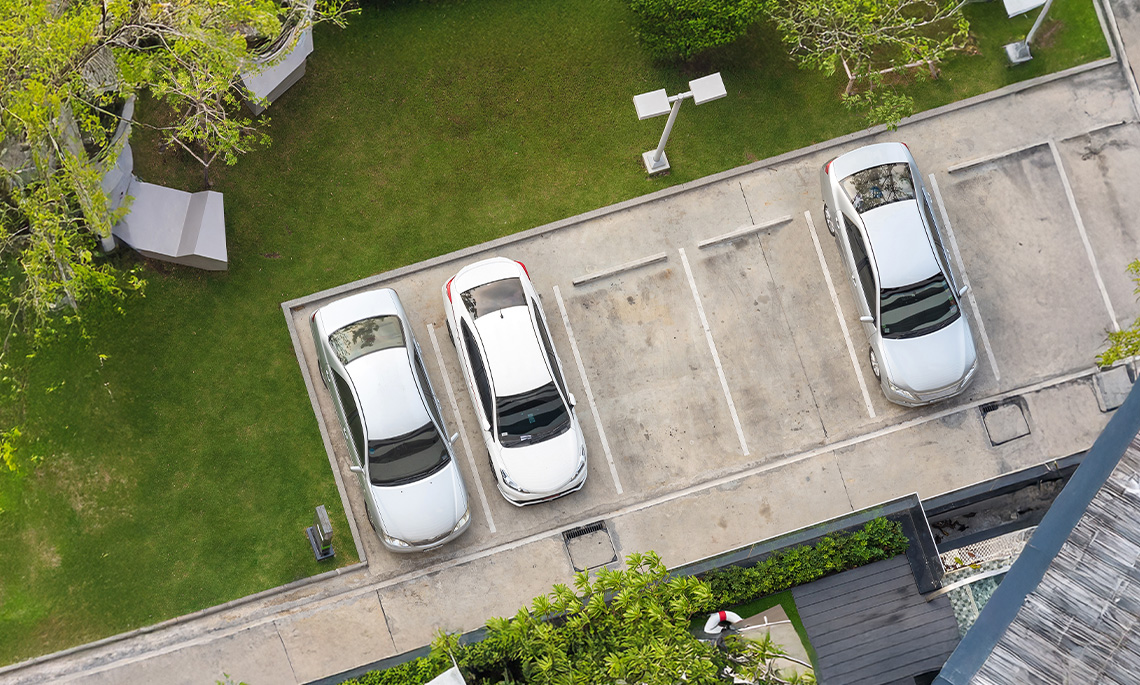
Parking is one of the most important parts of a residential or mixed-use development, even though it is often treated as a secondary design concern. The amount of parking provided can affect daily convenience, traffic movement, property access, construction costs, and the overall usability of the site. For Florida developments, parking needs can vary widely based on location, building type, density, nearby transportation options, and the mix of uses within the property. This is why a parking feasibility study for Florida projects can be valuable during the early planning stage. It helps developers understand actual parking demand and determine how the available space can be used effectively.
Parking Directly Affects Residential Convenience
In residential developments, parking has a direct impact on how residents experience the property. When spaces are difficult to find or located too far from building entrances, it can create frustration and reduce overall satisfaction.
Parking demand is influenced by several factors, including the number of residential units, bedroom count, household vehicle ownership, visitor activity, and access to public transportation. A suburban apartment community may have higher vehicle use than a downtown residential project located near shops, offices, and transit services.
Providing too little parking can lead to overcrowded lots and increased street parking. On the other hand, providing too much parking can take away space that could be used for landscaping, amenities, housing, or pedestrian areas. The goal is to determine a practical supply that supports daily needs without wasting valuable land.
Parking Influences Site Layout and Cost
Parking requires more space than the individual stalls alone. A complete parking area must also include drive aisles, access points, pedestrian routes, loading areas, drainage features, landscaping, lighting, and space for safe vehicle movement.
Surface parking can consume a large portion of the site. Structured parking can reduce land use, but it usually involves higher construction costs. These decisions can affect the financial feasibility of the entire project.
A Florida parking feasibility study helps the development team compare demand, available land, design limitations, and project costs. It can also identify whether a revised layout, shared parking plan, or different access strategy could improve the site.
Conclusion
Adequate parking plays an important role in the success of residential and mixed-use developments. It affects convenience, access, traffic flow, site efficiency, and project costs. The objective is not simply to provide the highest possible number of spaces. It is to create the right parking supply for the project while making the best use of the available land. A well-prepared parking feasibility study in Florida can help developers balance demand, local requirements, circulation, and design limitations. With early analysis and professional planning, project teams can reduce potential problems and create developments that function more effectively for residents, visitors, employees, and customers.
FAQs
1. Can Parking Planning Support Future Expansion?
Yes. A flexible parking plan can leave room for additional buildings, changing tenant needs, or future transportation improvements without disrupting the entire site.
2. How Does Parking Design Affect Property Value?
Well-planned parking can improve accessibility, tenant satisfaction, and overall property usability, which may strengthen the long-term appeal of a residential or mixed-use development.
3. Should Bicycle and Electric Vehicle Parking Be Included?
Yes. Including bicycle spaces and EV charging areas can help a project meet changing user expectations and support more modern transportation needs.