
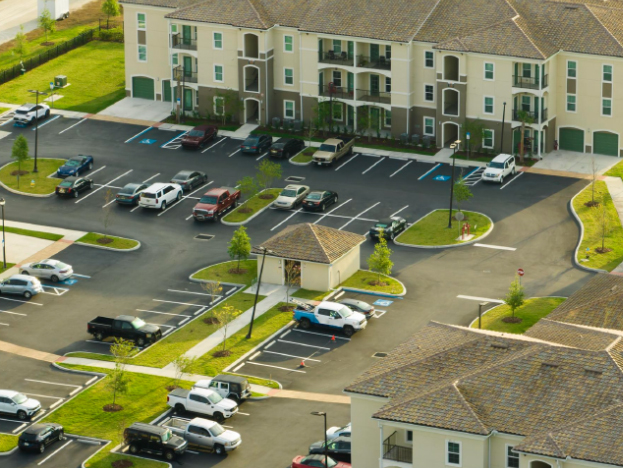
Communities continue to grow, and with that growth comes the challenge of managing parking to support residents, visitors, and businesses. Streets, public facilities, parks, and commercial districts all depend on thoughtful parking strategies that balance convenience with long-term development goals.
As urban areas evolve, decision-makers often seek guidance to create organized parking solutions that support daily activity without creating congestion. A municipality parking planning consultant can help identify practical approaches that align with local transportation needs, future growth projections, and community expectations.
Thoughtful parking planning creates smoother movement, better accessibility, and a more welcoming experience for everyone who uses public spaces.
Why Parking Planning Matters
Parking is more than allocating spaces for vehicles. It influences traffic flow, pedestrian safety, economic activity, and overall land use. When parking is insufficient or poorly designed, communities may experience overcrowded streets, safety concerns, and limited accessibility.
Strategic planning helps local governments understand how people move through an area and how parking resources can be used more effectively. This approach supports both current demands and future development objectives.
Building a Clear Understanding of Community Needs
Every municipality has unique characteristics. Downtown districts often face different parking challenges than residential neighborhoods or recreational facilities.
A detailed evaluation typically considers:
- Existing parking inventory
- Traffic circulation patterns
- Peak usage periods
- Accessibility requirements
- Future development plans
- Public transportation connections
Gathering accurate information creates a reliable foundation for informed decisions and sustainable improvements.
Creating Efficient Parking Solutions
Well-designed parking systems help reduce confusion and improve the overall user experience. Rather than focusing solely on adding spaces, planning efforts often examine how existing resources can be managed more efficiently.
Potential strategies may include:
Improved Parking Layouts
Optimized parking configurations can increase usability while maintaining safe vehicle movement and pedestrian access.
Better Traffic Circulation
Clear entry and exit points help reduce congestion and improve navigation throughout public facilities and commercial areas.
Enhanced Accessibility
Thoughtful planning supports individuals with mobility needs while ensuring compliance with applicable regulations.
Future Expansion Considerations
Planning with growth in mind helps municipalities avoid costly adjustments later and allows infrastructure to adapt more smoothly.
Understanding Demand Through Careful Analysis
Before implementing changes, it is important to understand how parking demand varies throughout the day, week, and year. Seasonal attractions, local events, and economic activity can all influence usage patterns.
A parking feasibility study that Florida communities can rely on provides valuable insight into existing conditions and future requirements. These studies help determine whether proposed developments have adequate parking capacity and identify adjustments that could improve functionality.
By analyzing real-world data, planners can recommend solutions that support long-term goals while efficiently using available space.
Supporting Economic Development
Accessible parking often plays an important role in attracting visitors and encouraging local commerce. Businesses benefit when customers can easily reach shopping districts, dining areas, and service locations.
Parking strategies that align with community objectives can contribute to:
- Increased visitor convenience
- Improved customer experiences
- Better traffic management
- Enhanced public perception
- Support for local growth initiatives
When parking functions efficiently, communities often experience smoother daily operations and improved accessibility for residents and visitors alike.
Balancing Growth and Sustainability
Modern municipalities frequently seek solutions that balance vehicle access with broader transportation goals. Parking plans may include pedestrian pathways, bicycle facilities, public transit connections, and shared-use parking.
This balanced approach encourages mobility while helping communities use land resources responsibly. It also supports evolving transportation preferences and changing population needs.
Making Informed Decisions for the Future
Parking challenges rarely disappear on their own. Proactive planning allows municipalities to address issues before they become larger concerns. Careful analysis, community input, and practical design recommendations help create parking systems that serve both present and future generations.
Whether evaluating existing infrastructure or preparing for new development, informed planning contributes to safer, more accessible, and more organized public spaces.
Ready to Improve Community Parking Strategies?
If your municipality is exploring ways to improve accessibility, manage growth, or evaluate future parking needs, professional guidance can provide valuable direction. Contact the experienced specialists at MAPS Engineering to discuss planning solutions that support your community’s long-term goals.
FAQs
1. What does a municipality parking planning consultant do?
A consultant evaluates parking conditions, analyzes demand, and recommends strategies that improve accessibility, traffic flow, and long-term functionality.
2. Why is a parking feasibility study important?
A feasibility study helps determine whether existing or proposed parking resources can support anticipated demand and development objectives.
3. How can parking planning support community growth?
Effective planning helps manage increasing vehicle activity, improves accessibility, supports local businesses, and prepares infrastructure for future development.