
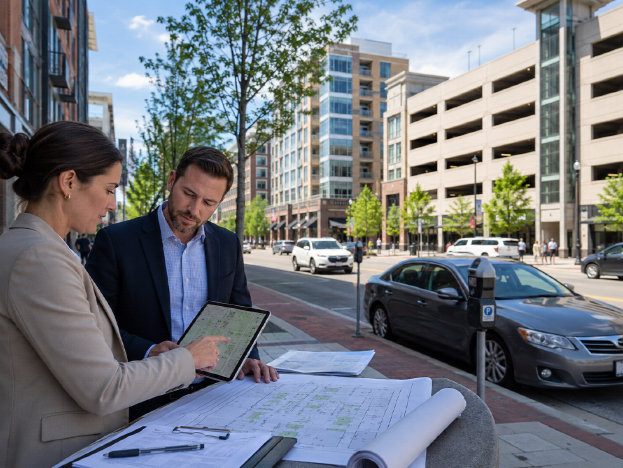
Modern urban growth has reshaped how communities function, commute, and connect. At the heart of this transformation lies the science of traffic engineering—often invisible, but always impactful. One essential service that ensures roads are not merely paved but planned, monitored, and optimized is traffic engineering. Traffic engineering does far more than regulate signals; it is intended to improve design, management, and policy of transportation systems to help ensure more efficient and safe travel.
Let’s explore how communities benefit from thoughtful transportation planning and why two Florida counties, in particular, are taking a strategic approach to road safety and efficiency.
What Do Traffic Engineers Actually Do?
If you’ve ever waited at a red light too long or breezed through a well-timed green wave, you’ve already experienced the work of traffic engineers. But beyond the basics of light cycles and crosswalks, traffic engineering includes data collection, traffic counts, intersection analysis, signal timing, and congestion forecasting. It blends analytics with real-world applications to create systems that support safe, fluid mobility.
It’s not about controlling traffic—it’s about guiding it intuitively.
Planning for Growth and Safety in Florida’s Bustling Regions
As cities and suburbs expand in Palm Beach County, there’s a growing need for more brilliant street design. With rising populations, pedestrian activity, and vehicle ownership, communities face increasing pressure to prioritize road safety without compromising on accessibility.
This is where traffic engineering services in Pinellas County take a slightly different shape. Pinellas, with its dense coastal communities, needs a distinct focus on connectivity and coastal resilience. Roundabouts, transit corridor planning, and pedestrian-centric layouts often dominate projects in this region. It’s all about adapting traffic flow to fit diverse terrain and usage patterns.
Both counties, while unique in their layout and challenges, rely heavily on data-backed strategies to make intersections safer, school zones more navigable, and high-speed roads less risky.
More Than Signals: The Full Scope of Service
Traffic engineering isn’t a plug-and-play solution. It’s a collaboration of site assessments, simulations, and compliance checks that evolve over time. From large-scale city planning initiatives to single-intersection reworks, professionals in this field offer:
- Traffic impact studies for future developments
- Roadway design consulting for private and public projects
- Signal warrant analysis to assess if lights are needed
- Construction traffic control planning for safe detours
- Traffic calming designs for neighborhood safety
These services go beyond fixing today’s problems—they anticipate tomorrow’s needs.
The Benefits Extend Beyond Commuters
Though daily drivers may feel the impact of smart traffic flow the most, businesses, schools, and emergency services also benefit. Reducing congestion helps freight move more efficiently, improves air quality, and lowers the risk of road-related incidents. In places like Palm Beach and Pinellas Counties, where community dynamics are constantly evolving, these engineering insights play a critical role in public well-being.
As development accelerates across Florida, integrating traffic strategy early in planning processes has proven to save resources—and lives.
Where Expertise Meets Impact
Every traffic system has a story. Whether it’s a quiet school zone or a four-lane commercial corridor, the goal is the same: make the journey smoother, safer, and smarter.
That’s where MAPS comes in.
Let’s Make the Road Ahead Clearer
From traffic studies to design plans, we help translate transportation challenges into safe, efficient designs tailored to your region. Whether you’re developing a new site or looking to enhance public safety, we offer traffic engineering support rooted in thoughtful planning and real-world experience.
Contact us today to start your project with trusted insight and proven traffic engineering solutions where we offer a dedicated suite of services to guide your community forward.
Frequently Asked Questions
Q1: What’s the difference between traffic engineering and transportation planning?
Traffic engineering focuses on the technical design and operation of roadways—signals, lanes, and flow. Transportation planning, on the other hand, deals with broader policy and long-term infrastructure strategies.
Q2: How long does a traffic impact study take?
It depends on project size and location, but most studies can be completed in 2–6 weeks once all required data is gathered.
Q3: Do I need traffic engineering services for a small development project?
If your project could affect nearby intersections or road usage, local authorities may require a traffic study. It’s always best to consult early in the planning phase.